

Our Comprehensive Guide on How to Find Speakers for an Event (+ Best Practices)


Ask any event planner what keeps them up at night, and finding the right speakers is often at the top of the list. There’s constant pressure from tight timelines, limited budgets, and high audience expectations. But often, the most stressful part is finding the right speakers for your event.
The good news is it doesn’t have to be this stressful. With the right approach, you can make speaker sourcing more predictable and easier to manage. In this EventsAir guide, we’ll show you how to consistently secure great speakers for your in-person, virtual, and hybrid events.
Why speaker selection matters for any event
Choosing the right speakers is more than just filling a time slot. The people delivering your sessions directly shape how attendees experience – and ultimately remember – your event.
And in today’s event landscape, that impact is only growing. According to EventsAir’s latest State of Events report, 78% of event professionals say content quality is “very important” to event success, making it the top driver of attendee satisfaction for the second year in a row.
That means your speakers aren’t just presenters, they’re central to the value your event delivers. So, here are other reasons you need to get it right:
Complement your event brand
The speakers you choose reflect your event's personality and focus. When their style and message match your brand, the event feels cohesive and professional. This alignment helps attendees instantly understand what your event represents.
Set the tone for the event
The first speaker influences how attendees perceive everything that follows. A strong opening voice can create energy and keep people engaged throughout the program. A memorable start can make the rest of your agenda more impactful.
Engage your audience
Speakers who are clear, relatable, and interactive help attendees pay attention, participate, and enjoy the experience. Active engagement keeps attendees focused and makes sessions more memorable.
Add credibility and authority
Skilled speakers with real experience make your content more trustworthy and your event more respected. Their expertise reassures attendees that they are learning from reliable sources.
Support learning and retention
Speakers who explain concepts clearly and connect with the audience help attendees remember more and take practical insights away. This ensures your event provides real value beyond the day itself.
Increase reach and attendance
Well-known or connected speakers can attract new attendees and generate word-of-mouth interest before, during, and after the event. Recognizable names can also boost social media and press coverage.
Next, let’s see how you can identify and pull the right personalities to speak at your event.

How to find a speaker for your next event in 7 steps
Step 1. Clarify the event goal
You can’t identify who to bring without understanding why your event exists and who it’s for. So, your first task is to define your event’s objectives. It helps to lay the foundation for choosing the right speakers for your in-person, virtual, and hybrid events.
Start by asking yourself: What do I want my audience to take away from this event? Is the goal to educate, inspire, facilitate networking, or share industry insights?
Your answers determine your goal. And each goal calls for a different type of speaker. For example, a session meant to inspire may require a storyteller or industry leader, while a workshop-focused session may need someone with hands-on experience and clear teaching skills.
Step 2. Know your audience and format
Understanding your audience is equally important. Are they industry professionals, students, or corporate teams? Do they have specific challenges, interests, or knowledge gaps? Knowing these details helps you choose a speaker who connects with your audience's needs and expectations.
For instance, if your audience is largely comprised of early-career marketing professionals, you’d be better off with a speaker who shares practical tips and relatable stories to help them get ahead.
Also, consider session formats. Are you planning keynotes, panels, workshops, or smaller breakout sessions? Certain speakers excel in interactive settings, while others are best at delivering polished presentations. Matching speakers to the right format ensures they can perform at their best.
TIP: Not sure what your audience wants? EventsAir tracks registrations with extensive reporting, analytics, and insights. You can use this data to assess who will be attending your event and the right speakers for them.
Step 3. Set a realistic budget for speakers
Once you’ve defined your event goals and audience, it’s time to set a realistic budget for your speakers.
Speaker fees can vary considerably depending on their experience, popularity, and the type of event you’re hosting. Having a clear budget in place will help you narrow down your options and avoid any surprises down the road.
Start by determining your overall event budget and then allocate a specific portion for speakers. When allocating funds for speakers, consider factors like:
- Level of expertise: High-profile speakers or experts in your field may command a premium fee, but they can add significant value in terms of credibility and audience engagement.
- The reach and pull of the speaker: Well-known speakers can help drive attendance and generate buzz, which could translate into higher ticket sales or media coverage.
- Potential ROI: Consider the potential return on investment (ROI) the speaker can deliver for the event. This could be in terms of audience engagement, event visibility, or networking opportunities.
- Scope of expenses: Will you be responsible for travel expenses, accommodations, per diem allowances, and any additional costs for materials, technology needs, or honorariums?
Having a realistic budget not only helps you stay organized but also ensures that you can secure the best possible speakers within your means.
TIP: If you’re new to event budgeting, check our guide on How we optimize event budgeting for planners & organizers.
Step 4. Research potential speakers
Now that you have a budget in place, the next step is identifying speakers who align with your event’s theme, objectives, and audience. Most planners approach this in two ways: actively researching speakers and inviting proposals through a Call for Speakers.
Depending on your event type, you may choose one approach – or run both in parallel
Step 4A. Research potential speakers
If you’re curating your lineup directly, start by identifying speakers who already have the expertise and experience your event requires.
Here are a few places to begin your search:
- Speaker directories and industry-specific platforms: Websites like SpeakerHub and SpeakerMatch, as well as professional associations in your field, can offer a range of speaker options.
- Social media: LinkedIn, YouTube, and even X (formerly Twitter) are great for discovering and assessing speakers or experts.
- Personal and professional network: Don’t underestimate the power of referrals. Reach out to colleagues, industry peers, or people who have attended similar events. Often, they can recommend speakers who have the right mix of experience and engagement.
- Ask your event audience: You can also survey your target attendees or poll your followers on social media to see who they would like to hear from.
Looking into these sources will give you a shortlist of potential speakers for your event. But with such a long list, you still need to do some checks and evaluations.
Step 4B. Launch a Call for Speakers (or Call for Papers)
Many events – especially conferences, association meetings, and academic events – source speakers through a Call for Speakers (CFS) or Call for Papers (CFP).
Instead of hand-picking every speaker, this process invites experts to submit session proposals that align with your event theme.
A typical Call for Speakers process includes:
- Publishing submission guidelines and topic areas
- Collecting proposals through an online submission form
- Reviewing submissions with a selection committee
- Scoring proposals based on relevance, expertise, and audience value
- Building your agenda from the strongest submissions
This approach can uncover fresh perspectives and emerging voices that might not appear through traditional speaker searches. It also helps ensure your event program reflects the diversity of ideas and expertise within your industry.
TIP: If you run a Call for Speakers, using a dedicated submission and review system can streamline the process, making it easier to collect proposals, assign reviewers, and organize accepted sessions into your final event agenda.
Step 5. Evaluate speaker fit and credentials
Once you’ve shortlisted potential speakers, it’s time to decide who is the best fit for your event. This step goes beyond qualifications; you need to understand what each speaker offers and how well they align with your goals and audience.
A fair and thorough assessment usually consists of three criteria:
- Credentials: Start by reviewing their background. What is their area of expertise, and is it relevant to your event’s goal or theme? Have they spoken at similar events or to audiences like yours? Look at past event reviews or testimonials.
- Speaking style: Watch videos of their talks or check their social media presence to see how they engage with audiences. A speaker who can connect with attendees and communicate ideas effectively is an invaluable asset to any event.
- Availability and reliability: Check whether the speaker is available for your event dates and open to your format and requirements. High-demand speakers may have tight schedules, so confirming early avoids surprises.
Keep in mind that shortlisting and evaluating potential speakers can take some time. But with the right research and evaluation methods, you can manage the process and build a solid list of candidates.
TIP: Ensure diversity when shortlisting your potential speakers. A diverse speaker lineup, across gender, ethnicity, and experience, adds depth to your event by offering different perspectives, backgrounds, and ideas.
Step 6. Create a strong speaker pitch
With the final list of speakers in place, the next step is reaching out with a speaker pitch. But what exactly is a speaker pitch? In simple terms, it’s your chance to present the event to the speaker and convince them to participate.
Here’s how to create a pitch that resonates:
- Keep it concise and clear: Avoid overwhelming your speaker with too much information. Keep your pitch short and to the point. Highlight the key details: what the event is about, who the audience is, and why it’s an exciting opportunity for the speaker.
- Focus on the value exchange: What’s in it for them? Whether it’s exposure to a new audience, networking opportunities, or compensation, make sure the speaker understands how participating in your event benefits them.
- Be specific about expectations: Outline what you’re asking of the speaker. Include details such as the speaking format (keynote, panel, workshop), expected session length, and any specific topics you’d like them to cover.
See an example of what a speaker pitch might look like:
"We would love to have you speak at [Event Name], where industry leaders will gather to explore [Topic]. As an expert in [specific area], your insights on [specific topic] would be invaluable to our audience of [describe your audience].
Our event offers [mention benefits such as exposure, networking, or compensation] and would be a great platform for you to showcase your work. The session is scheduled for [date], and we would be thrilled to discuss any details further."
A strong pitch is concise, personalized, and communicates value on both sides. It increases the chances of securing your first-choice speakers and sets the stage for a successful working relationship.
Step 7. Reach out and negotiate
After crafting a strong speaker pitch, it’s time to reach out and begin the negotiation process. This step is crucial because it sets the foundation for a successful working relationship with the speaker.
Clear, transparent communication is key to ensuring both parties are aligned on expectations, compensation, and logistics.
A typical negotiation process with a speaker often follows this timeline:
- Initial contact: Send your pitch and give the speaker 3–5 days to respond. Include key details about your event, audience, and why you think they’re a great fit.
- Follow-up: If you don’t hear back, send a polite reminder. One follow-up is usually enough to prompt a response without coming across as pushy.
- Discussion: Confirm the speaker’s availability and go over expectations. Discuss any adjustments to content, session format, or schedule as needed.
- Agreement: Finalize compensation, logistics, and any special requests. Document all terms in writing to avoid misunderstandings.
- Confirmation: Send a formal confirmation and outline the next steps, including deadlines for slides, bio, and any other materials. This ensures both parties are aligned and ready for a successful collaboration.
When negotiating, be transparent about your budget and compensation. If a speaker’s fee exceeds your budget, negotiate other forms of value, like increased visibility, networking opportunities, or a more prominent speaking role.
Also, use clear agreements, transparent compensation timelines, and defined content rights to avoid operational frictions. When speakers know exactly what to expect, they are more likely to accept and deliver confidently.
Best practices for finding and managing event speakers
Below are tips that will help you select and manage the right speakers for your event to ensure a resounding success:
- Start early: Begin your search well in advance to give yourself ample time to evaluate potential speakers, negotiate terms, and finalize agreements. This reduces last-minute stress and increases your chances of securing top candidates.
- Be clear about expectations: Define your event’s needs upfront. Provide speakers with clear details about the session format, time slots, topics, and any additional responsibilities. Clear expectations lead to a smoother collaboration and a better event experience for all.
- Research thoroughly: Take the time to thoroughly vet potential speakers. Watch their past talks, read feedback from previous events, and consider their experience. This ensures that the speaker aligns with your event’s goals and can effectively engage your audience.
- Personalize your approach: When reaching out, tailor your pitch. Speakers are more likely to respond positively to invitations that reflect their unique value to your event. Show you’ve done your research and explain why they’re the right fit.
- Keep a standing bench of backup speakers: Maintain pre-vetted alternates by topic, virtual-ready options, or panellists who can step into solo sessions. This ensures your program stays strong even if last-minute changes occur.
- Use technology: Use event management tools like EventsAir to streamline speaker scheduling, manage logistics, and track communications. This makes the process more efficient and helps you stay organized throughout the event planning timeline.
- Evaluate and gather feedback: After the event, gather feedback from attendees on the speakers' performance. This allows you to assess how well the speakers met expectations and provides valuable insights for improving future speaker selection.
What's next after finding your speakers?
Finding the right speakers is just the first step. Once your lineup is set, the next challenge is managing the entire speaker journey, from submissions to scheduling to live presentations.
Keeping track of slides, AV requirements, abstracts, and session feedback across multiple speakers can quickly become overwhelming. This is where EventsAir comes in.
Introducing EventsAir presenter and speaker management system
At EventsAir, we offer a complete suite of tools to manage every aspect of your speakers’ journey as part of our 360-degree event management solution.
From the initial call for abstracts to the collection of session deliverables, our platform ensures a seamless, organized experience for both you and your speakers.
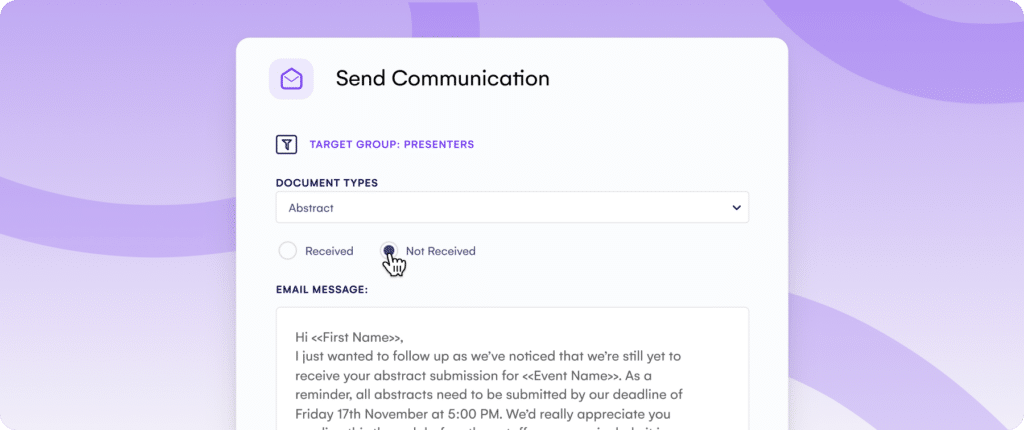
Here’s what you get:
- Speaker portal for submitting and editing abstracts, uploading materials, and managing submissions
- Live interaction tools like polling and Q&A to enhance audience engagement during sessions
- Real-time session feedback and surveys to capture valuable insights and improve future events
- Arrival notifications to keep you informed when your speakers check in
- Detailed presenter reporting to track submissions, engagement, and feedback
We give you all you need to simplify your speaker management, improve session quality, and ensure your event runs smoothly from start to finish.
Conclusion
Finding the right speakers is critical to creating engaging, memorable events. From defining goals to vetting talent and managing logistics, a thoughtful process ensures every session delivers value.
EventsAir offers a complete platform to manage the entire speaker experience, from abstract submission and scheduling to live engagement and post-session feedback. Organize your presenters efficiently and give them the tools to deliver their best work.
Ready to see how EventsAir can support your speakers? Request a demo today to see it in action.
See EventsAir in action
Discover why 12,000+ event professionals trust EventsAir to deliver effortless events, every time.





Ready to transform event chaos into clarity?
With EventsAir, you’ll move from chasing logistics to creating unforgettable moments. Plan faster, act with confidence, and deliver exceptional events. Discover what’s possible with a personalized demo today.