

24 Alumni Event Ideas to Engage Your Community

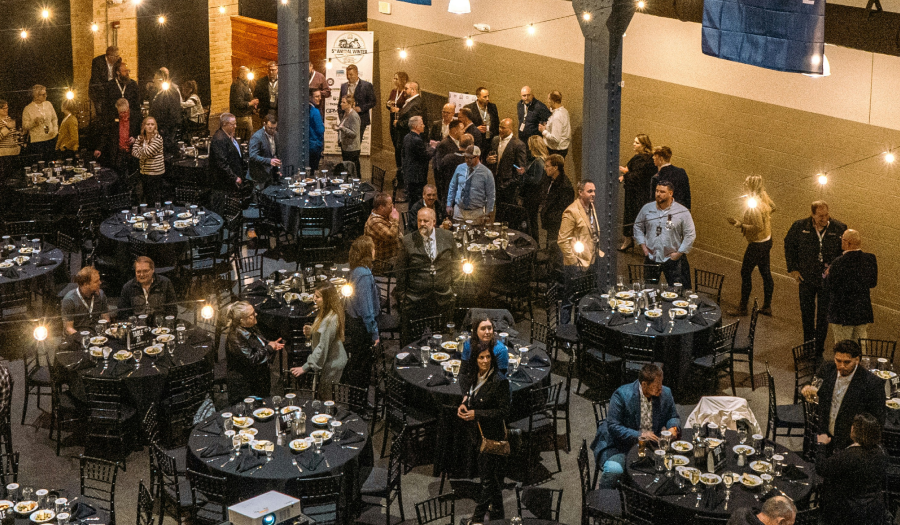
Alumni events that aren’t planned properly usually either see low registration numbers or lose momentum before the actual event, despite high sign-up rates.
With changing expectations, busy schedules, and logistical constraints, hosting events that alumni genuinely want to attend takes more than a standard reunion dinner. Your event must feel valuable, personal, and worth their time.
To build your alumni community, strengthen bonds, and maintain engagement, you need both creative ideas and strategic planning. In this EventsAir guide, we’ll share top alumni event ideas for maximum engagement, plus practical tips to help you execute them for continuous impact.
Why alumni events matter
Besides bringing former students together, alumni events should also build a reliable community for institutions, associations, and membership organizations. Below are a few reasons alumni events matter:
1. Build long-term relationships beyond graduation
According to the CASE Insights on Alumni Engagement survey, only about 19–20% of alumni are still engaged in at least one form of institutional activity, showing how easily alumni connections can fade over time.
Well-executed networking events create opportunities to reconnect, revisit shared experiences, and stay involved in the wider community. The more consistent these touchpoints are, the stronger the network becomes.
2. Drive fundraising, mentoring, and advocacy
The same CASE study found that among alumni who engaged in philanthropy, 25.5% also participated in experiential activities, 31% engaged in volunteering, and 14.7% engaged in communication activities.
This shows a correlation between interaction and involvement. With alumni events, you allow for structured contribution through donations, mentorship programs, volunteer initiatives, speaking engagements, and student support.
Moreover, engaged alumni boost your institution’s reputation with advocacy within their industries and communities.
3. Turn alumni into active community stakeholders
In an Ourschool survey, 69% of students said alumni-led sessions motivated them to stay in school, while 68% said the experience encouraged them to put more effort into their studies.
This emphasizes that alumni can reach current students or members and bring insights that facilitate growth, but only when they’re active. Alumni events build a sense of belonging and ownership that improves community culture.
When alumni feel recognized, they willingly share expertise, support newer members, and collaborate to shape the future of the institution.
Alumni event ideas at a glance
Below, we’ve broken down top alumni event categories, ideas, and where they’re best used, so you can compare options to identify the right fit for your audience and objectives before making plans:
| # | Alumni event group | Alumni event idea | Best for |
| 1 | Alumni reunion events | Class reunion weekends | Cohort reconnection |
| Milestone anniversaries (5, 10, 25 years) | Class groups | ||
| Homecoming expansions | Flexible alumni engagement | ||
| Institutional history events | Legacy and disengaged alumni | ||
| 2 | Alumni social and community events | Volunteer days | Mass alumni participation |
| Affinity meetups | Shared identity groups | ||
| Sports tournaments | Cross-cohort engagement | ||
| Arts & culture events | Broad alumni audiences | ||
| Trivia nights & mixers | Young alumni networking | ||
| 3 | Alumni fundraising events | Black-tie galas & awards | Broad alumni community |
| Giving day campaigns | Mass alumni participation | ||
| Stewardship dinners | High-value donors | ||
| Scholarship showcases | Broad alumni community | ||
| Legacy cultivation events | Multi-generational families | ||
| 4 | Alumni learning and professional development events | Research open houses | Academic/STEM-focused alumni |
| Certification workshops | Industry-specific participation | ||
| Career panels | Industry-specific participation | ||
| Skills masterclasses | Professional upskilling | ||
| Personal branding workshops | Early-career alumni | ||
| 5 | Alumni recognition events | Hall of fame ceremonies | High-achieving alumni |
| Speaker spotlights | Thought leaders | ||
| 6 | Virtual and hybrid events | Virtual networking | Global alumni |
| Hybrid reunions/fundraisers | Distributed audiences | ||
| Virtual career events | Remote professionals |
Alumni reunion event ideas

Reunions are the cornerstone of most alumni programs, allowing graduates to reconnect with peers and the institution. A few examples include:
1. Class reunion weekends
Class reunion weekends reunite a class for a few days, usually a weekend. Typical activities include welcome receptions, tours, and reunion dinners.
Many institutions also add casual social activities with memory-focused elements like yearbook displays, photo stations, and “then vs now” campus moments. The best reunions should mix structured programs with informal time, so people can catch up and converse.
2. Milestone anniversary celebrations (5, 10, 25 years)
Milestone anniversaries carry unique emotional tones, and you need to understand and plan around each. While a 5th milestone anniversary may have alumni who are starting careers and family, a 25-year milestone brings people who are generally more advanced, stable, and philanthropic.
Tailor the tone and content of the alumni event to the cohort. Younger crowds usually want connections and networking, while those at later stages respond to legacy, recognition, and storytelling. You could also give awards for professional achievements and personalized keepsakes or souvenirs.
3. Homecoming expansions beyond the main program
Homecoming expansions extend regular homecoming events into more targeted, alumni-focused experiences. Instead of attending only the main game or ceremony, alumni get smaller side events, such as faculty-hosted receptions, department-specific meetups, or alumni lounges.
Additionally, offering optional parallel tracks is an excellent way to draw different groups. For example, design a mixer for recent graduates and legacy family programs for alumni whose children are now students.
4. Institutional history events
Institutional history events reconnect alumni with your institution’s heritage, culture, and legacy. Often, they’ll include guided archive exhibitions, storytelling sessions, Q&As, or curated walkthroughs of updated campus landmarks.
These events are particularly effective for older organizations with a rich history and can help re-engage inactive alumni.
Social and community engagement alumni event ideas

Sometimes, the highest audience engagement happens in low-pressure, informal environments. Here are the top social alumni event ideas you can try out:
1. Volunteer days and community service events
Volunteer events let alumni contribute meaningfully beyond financial giving. Instead of centering the event around formal programs, the focus shifts to collaboration, shared impact, and a sense of purpose that a networking reception rarely replicates.
Alumni can participate in local food drives, school renovation projects, environmental cleanups, fundraising walks, or mentorship programs for current students. Pair the volunteer activity with a casual lunch or drinks afterward to give alumni time to connect once the work is done.
2. Affinity group and identity-based chapter meetups
Affinity-based alumni events help attendees connect through specific shared experiences, backgrounds, professions, or interests.
Examples include women in leadership brunches, underrepresented minority events, international alumni meetups, or industry-specific gatherings.
These meetups work best as micro events in regional chapters, with a relaxed atmosphere and curated guest list.
3. Sports tournaments
Some alumni won’t attend formal dinners or fundraisers, but the friendly competition in alumni-only or alumni vs students games can spark their enthusiasm.
Include halftime recognitions, tailgate-style food stations, live music, family-friendly activities, and merchandise booths to create a festival atmosphere.
This is also a suitable alumni event idea if you want to bridge cohorts from different age groups and graduation years.
4. Arts and culture celebrations
Arts events are another way to draw broad age ranges. An alumni art exhibition, theatre performance, a film screening, music showcase, or literary evening all draw creative professionals and enthusiasts.
Adding interactive experiences such as audience polls, collaborative murals, photo installations, or cultural food experiences makes the event more immersive and increases engagement throughout the program.
5. Trivia nights and mixers
Trivia nights and mixers are reliable for being simple to organize and scale while encouraging high interaction.
Use themes around campus history, memorable professors, student traditions, sports moments, or pop culture from different graduating years to break the ice. For casual mixers, include speed networking rounds and discussion tables, games, and live polls.
Alumni fundraising event ideas

When alumni truly understand their value to the institution and resonate with its mission, giving follows naturally. The best alumni fundraisers include:
1. Black-tie galas and alumni awards nights
Black-tie galas and alumni awards nights combine celebration, recognition, and fundraising into one high-impact event.
A typical gala might include a cocktail reception, formal dinner, live entertainment, student performances, and award presentations recognizing alumni achievements.
To increase engagement, include interactive fundraising moments such as live auctions, pledge drives, scholarship appeals, or sponsor exhibitions.
2. Giving day activations and peer-to-peer campaigns
Giving days are another popular fundraising format due to their urgency, momentum, and social proof. Live activations, alumni challenges, campus pop-ups, and progress trackers create excitement that turns modest fundraising into a high-energy moment.
Peer-to-peer campaigns also amplify giving days by tapping into class pride and friendly competition. Princeton University, for instance, raised $73.8 million during its 2022-23 Annual Giving campaign using this approach.
The mechanism is simple: when alumni can see their class ranking in real time and challenge each other directly, giving becomes social rather than transactional.
Giving days work best when there’s an immediate goal, such as a student support fund or facility upgrade. Showing what they’re contributing towards prompts higher interest and donations.
3. Stewardship dinners and relationship-building events
Stewardship dinners are deliberately low-ask, focusing on strengthening relationships with major donors, thanking them, and showing the impact of their contributions.
These events should be intimate and private. Pair alumni with faculty whose research they’ve supported, or students whose scholarships they’ve funded, so they can connect directly with their beneficiaries.
4. Scholarship events with student spotlights
Scholarship events form a direct emotional connection between the alumni and the institution’s funding support system, with real student stories and experiences.
These events could be luncheons or student showcases where recipients share their academic journeys and career aspirations. Alumni attendees participate in mentorship conversations or network with students throughout the event.
Use storytelling or engagement tools like Q&As, videos, demos, or live presentations to make the event even more memorable for alumni.
5. Legacy cultivation events
Legacy cultivation events are tailored to alumni from multi-generational families with decades-long ties to the institution. They strengthen these relationships, celebrate tradition, and create opportunities for planned giving through endowments, estates, or wills.
Legacy events are mostly exclusive, intimate dinners with high-ranking institutional leadership. Conversations revolve around the institution’s history and future or meetings with top scholarship recipients.
Learning and professional development alumni event ideas

46% of alumni in a Gravyty survey say career support is the most meaningful service their alma mater can offer, and value motivates them to show up.
Alumni event ideas in this category include:
1. Research open houses
Research open houses showcase the academic innovation on campus to pique alumni’s interest. This format works particularly well for STEM, medical, and policy-focused institutions.
Alumni might tour research labs, attend faculty presentations, watch live demonstrations, or interact with graduate students working on emerging projects.
Pair the open house with a networking reception at the end, where alumni can speak with researchers about industry collaboration, mentorship opportunities, or funding initiatives.
2. Industry certification and accreditation workshops
Certification and accreditation workshops add direct value to alumni, especially those actively investing in professional growth. They give alumni a head start in their industry and expose them to professionals who can offer expert guidance.
For example, a business school could host project management certification prep sessions led by faculty, alumni experts, or industry partners. Typical content includes breakout learning sessions, exam preparation clinics, networking lounges, and access to professional resources.
3. Alumni career panels
In career panels, alumni share professional insights, industry experiences, and career advice with both fellow graduates and current students.
Find speakers from different graduating years with insights into career transitions, leadership challenges, entrepreneurship, emerging industry trends, or lessons learned within their fields. After the discussion, attendees can participate in Q&A sessions, networking mixers, or small-group mentoring conversations.
For higher retention, curate each panel around a clear, relevant topic, such as technology and AI or corporate leadership.
4. Skills-based masterclasses
While panels discuss navigating careers, masterclasses go further with hands-on development for specific skills. Unlike lectures, these events are interactive and offer alumni immediately applicable knowledge.
Taught skills can range from public speaking to leadership, coding, financial planning, AI tools, or data analytics, and target a small class in a career group or niche.
Participating in live exercises, group discussions, collaborative projects, or guided problem-solving activities also allows for higher attendee engagement and overall satisfaction.
5. LinkedIn and personal branding workshops
Personal branding workshops teach alumni, particularly recent graduates, how to strengthen their professional visibility for the digital job market.
High-impact tracks include LinkedIn profile reviews, resume optimization sessions, personal branding classes, professional headshot stations, and networking coaching.
To increase participation, invite recruiters and industry leaders to facilitate mock interviews, elevator pitch exercises, or content creation sessions focused on building industry authority online.
Alumni recognition event ideas
Recognition events celebrate alumni achievements, reinforcing long-term loyalty. Common event ideas in this category are:
1. Hall of fame induction ceremonies
A hall of fame induction formally honors alumni who have made outstanding contributions to their profession, community, or the institution. Usually, there’s a nomination and selection process, a formal induction dinner, and a permanent display of inductees, whether on-site or on your institution‘s website.
An engaging agenda for this event should include award presentations, video tributes, relevant keynote speeches, and networking receptions.
2. Alumni speaker spotlight events
Alumni speaker spotlights feature accomplished alumni sharing their industry experiences with the broader alumni community and student body. Agendas usually offer fireside chats, interview-style conversations, or keynote sessions followed by audience Q&As, creating both recognition and learning opportunities.
Virtual and hybrid alumni event ideas

Alumni tend to move locations after graduation, and virtual or hybrid events keep the community active and accessible regardless of distance or schedule. They also enable year-round engagement without cost or logistical hurdles. Some ideas include:
1. Virtual networking sessions
Online mixers, speed networking sessions, mentorship meetups, or industry-specific discussions engage international alumni who may not be able to travel. Use event management software features like breakout rooms, live chat, and attendee matchmaking tools to encourage collaboration, conversation, and interaction among participants.
2. Hybrid fundraisers and reunions
With digital tools, you can offer remote attendees access to in-person events and still maintain engagement. For example, a reunion weekend can include gamification, live audience polling, and digital networking lounges.
Similarly, fundraising galas could livestream keynote sessions and offer virtual donor recognition, letting remote alumni engage alongside on-site attendees in real time.
3. Virtual career events
Webinars and virtual events make it easy to deliver and scale ongoing career development value throughout the year. Rather than one in-person event, you can organize multiple virtual masterclasses, alumni career panels, research showcases, or fireside chats featuring faculty and distinguished graduates.
Recording sessions for on-demand access also helps extend engagement beyond the live event itself.
How to plan engaging alumni events
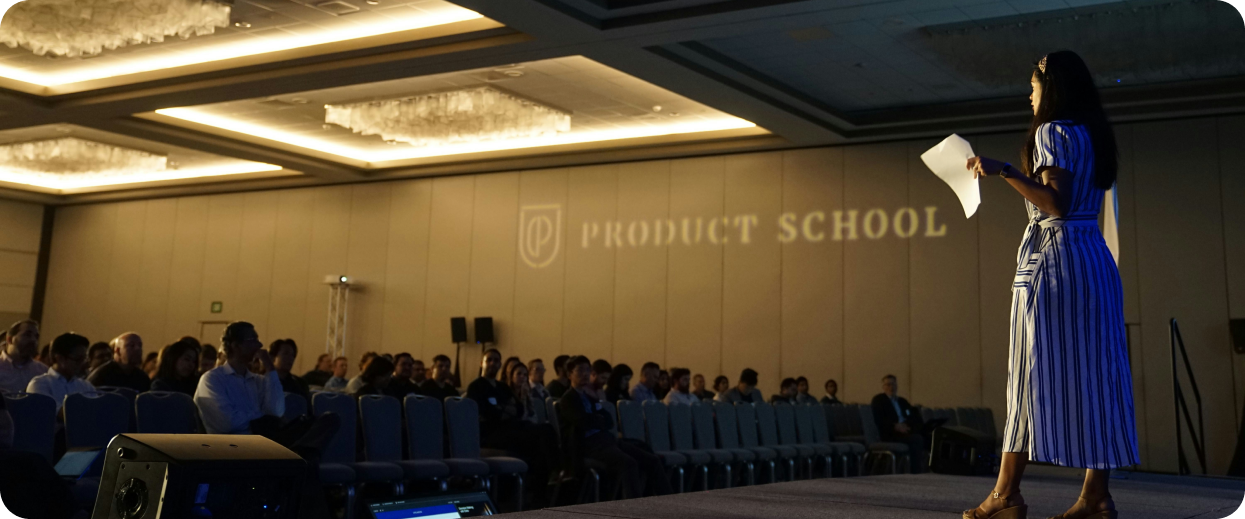
Without a solid, high-engagement plan, the most creative alumni event ideas are still unlikely to perform. Follow these easy steps to ensure alumni event success:
1. Segment your alumni audience before planning
Different alumni groups want events that are tailored and relevant to them, so treating your entire alumni network as a single audience puts you at risk of misreading their needs.
Start by segmenting attendees based on graduation year, industry, location, interests, donation history, or engagement level. Then, identify their life experiences, areas of interest, needs, and expectations.
Tip: Alumni expectations can vary, so planning without audience insight can lead to irrelevant programming. EventsAir’s survey tools make it easier to collect and organize attendee feedback before planning begins, helping you shape alumni event ideas around real audience needs.
2. Choose events that match life stage and interest
If your event fails to align with alumni’s interests, engagement declines, attendance drops, and bonds start to weaken. After identifying their current life stages and interests, select events that appeal to and meet those needs.
For instance, recent graduates need career workshops and social mixers, while senior alumni tend to engage more with legacy celebrations, fundraising dinners, or mentorship opportunities. The more your event matches their priorities, the higher your attendance rates and participation.
3. Personalize invitations and communications
Generic invites get lower open rates and engagement. Personalize event invitations and campaigns to your audience segments to make your messaging more relevant to their profile, which also increases their desire to attend.
You also want to build momentum with tailored sequencing that contains clear next steps before the event. Consistent messaging not only serves as a reminder but also familiarizes them with your agenda and points them towards steps for event registration.
Tip: Alumni are more likely to respond when event messaging feels relevant to their interests, location, or relationship with your organization. EventsAir’s segmentation and communication modules help personalize the attendee journey and tailor messaging to each alumni profile.
4. Measure event metrics and attendance data
Attendance numbers don’t always reflect value. Monitor registration trends, session participation, engagement activity, and fundraising performance to understand what is actually driving alumni participation.
In addition to covering current event data, these insights also guide you when designing future events and demonstrating ROI to institutional stakeholders.
Tip: Attendance numbers alone rarely show whether an alumni event strengthened relationships or increased participation. EventsAir’s purpose-built reports and customizable dashboards help you track registration, engagement, session-specific, and survey data in real time, letting you see what is working and what to improve.
5. Use event management tools
Disconnected systems create registration friction, communication gaps, and extra admin work before the event even begins. Manage every part of the event lifecycle, including registration, communications, check-in, mobile engagement, virtual participation, and post-event reporting, from one platform.
Using a centralized platform streamlines operations, reduces manual work, and creates a consistent alumni experience.
Pro tip: Alumni events become harder to manage when working with multiple separate systems. EventsAir’s all-in-one event management platform brings these workflows into one connected platform, with integrations for CRMs and payment services to help capture alumni data and donations more seamlessly.
6. Increase engagement with interactive tools
Whether your event is on-site, virtual, or hybrid, failing to invest in engagement leaves your attendees disengaged and underwhelmed. Integrate interactive tools like live polls, Q&A sessions, networking lounges, attendee matchmaking, breakout rooms, and gamification to keep your attendees actively participating.
In addition, virtual and hybrid events need more than basic video conferencing software. Use a tool with full streaming, virtual exhibition, and studio support for a smoother event experience.
Tip: Alumni engagement depends on more than attendance because people need simple ways to participate, connect, and contribute during the event. EventsAir’s built-in engagement features, networking tools, virtual lobby, and production studio help support a smoother, more interactive experience across in-person, virtual, and hybrid events.
7. Maintain post-event communication
Post-event communication sustains the momentum and engagement you’ve built. Send personalized thank-you emails to attendees, speakers, donors, sponsors, and volunteers while the experience is still fresh.
Follow up with short post-event surveys to gather feedback on session quality, networking opportunities, logistics, and overall attendee satisfaction. Consistent communication gives alumni more reasons to stay involved, share feedback, and support future initiatives.
Tip: Alumni relationships can fade quickly if the conversation stops after the event. EventsAir’s communication tools help automate post-event emails, surveys, and attendee follow-ups, making it easier to nurture alumni relationships beyond the live experience.
Build stronger alumni communities with EventsAir

Managing alumni events across disconnected tools can create registration friction, communication gaps, and limited visibility into what actually drives engagement.
EventsAir is an all-in-one event management software that helps universities, associations, and community-driven organizations create smooth alumni event experiences from start to finish. With EventsAir, you get:
- Comprehensive event management system that streamlines registration, attendee data, and event insights in one platform
- Registration and communication with flexible, rules-based journeys tailored to different alumni audiences
- Interactive tools like a mobile event app, matchmaking, live polls, and a 3D virtual lobby
- Analytics and reporting tools to measure attendance, engagement, and long-term alumni participation
EventsAir prevents fragmentation by helping you execute events seamlessly with a unified event lifecycle management system. The platform supports every aspect of event management, whether planning, communication, engagement, or reporting in a connected, user-friendly workflow.
Create and manage engaging alumni events with EventsAir’s all-in-one event platform. Request a demo and let EventsAir help you deliver alumni experiences that stand out.
See EventsAir in action
Discover why 12,000+ event professionals trust EventsAir to deliver effortless events, every time.



Ready to transform event chaos into clarity?
With EventsAir, you’ll move from chasing logistics to creating unforgettable moments. Plan faster, act with confidence, and deliver exceptional events. Discover what’s possible with a personalized demo today.