

How to Create Highly Impactful Association Event Branding

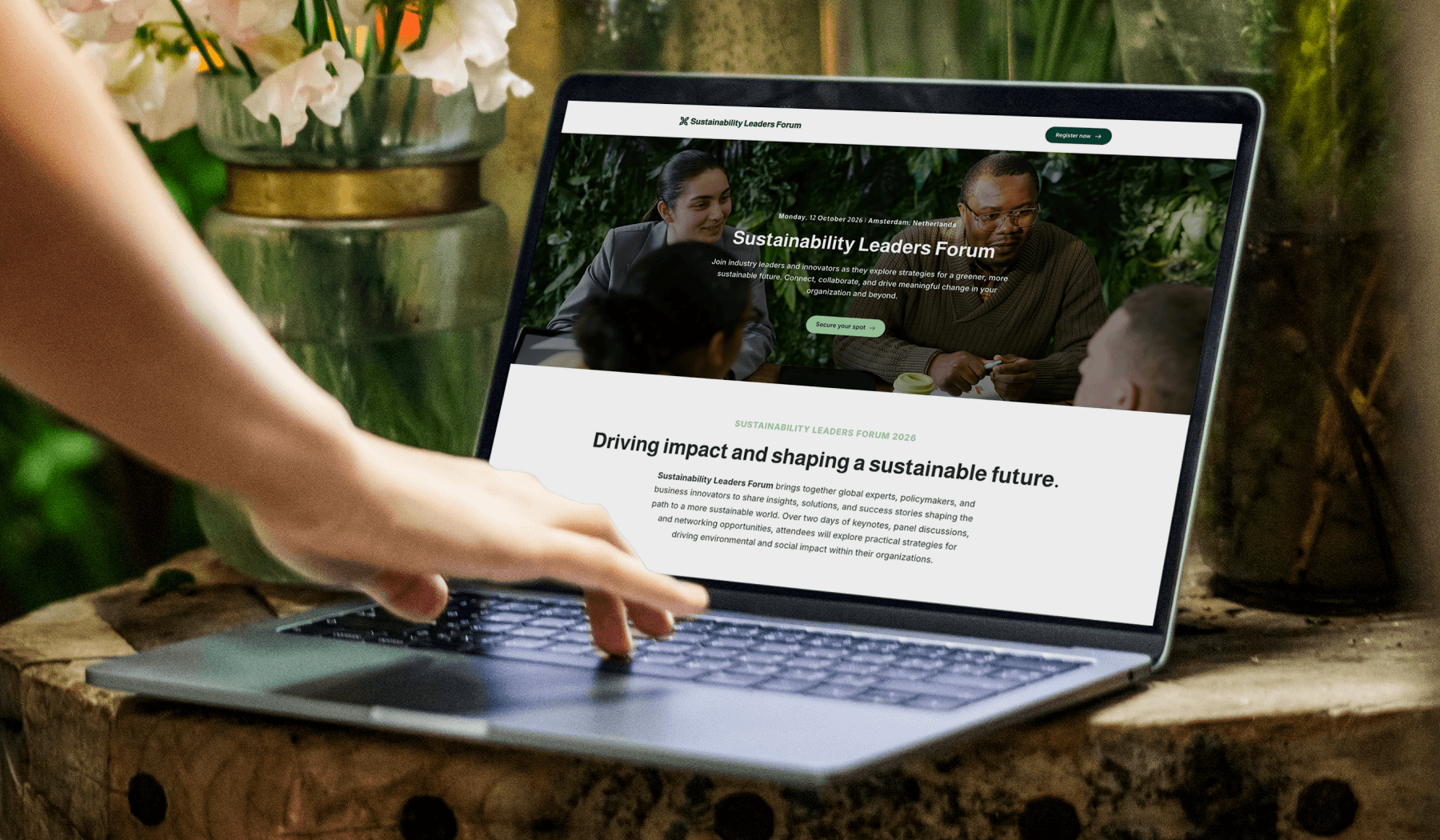
Ever heard the phrase, “It’s not what you say, but how you say it?” That holds true for association event management. You might plan the most engaging, impactful event for your members and wider community, but if you can’t clearly explain why the experience is valuable, your attendance will suffer.
In this blog, we’re going to take a closer look at how to build an effective association event branding strategy that drives registrations and long-term attendee engagement.
1. Proactively establish your event direction and theme
55% of event marketers start promoting their experiences less than four weeks beforehand, well below the recommended timeline of eight or more weeks. Proactive planning and outreach give your event branding a strong foundation and allow you to follow through effectively after your event concludes.
Follow these best practices to create a solid roadmap for your experience:
- Set a theme. Align the event with your association’s overarching mission and current industry trends. Choose a clear, memorable tagline and core message that resonates with your members' professional goals and clearly communicates the value of attending. For example, an agricultural association might bridge traditional farming with modern AgTech by choosing the tagline "Roots to Resilience: Farming for Tomorrow," immediately signaling to members that the event will equip them with the technology needed to maximize yields and future-proof their family operations.
- Build a cohesive event agenda. Don’t leave details to chance. Map out keynotes, breakout sessions, and networking opportunities that directly support your central theme. Ensure a balanced schedule with diverse session formats, adequate breaks, and clear learning objectives for each slot.
- Develop marketing materials. Create a comprehensive, multi-channel promotional campaign spanning print and digital assets. Build customized email sequences, social media graphics, and landing pages that feature consistent visual branding and clear calls to action (more on this in the next section!).
- Plan for targeted post-event follow-up. Maintain momentum by preparing post-event survey templates, slide deck distributions, and session recordings before the event begins. Segment follow-up emails by attendee type to share relevant takeaways and encourage long-term member engagement.
To ensure this proactive planning yields an airtight branding strategy, always create comprehensive backup plans so you can pivot if anything goes wrong.
For example, a keynote speaker could cancel at the last minute, a virtual streaming platform may crash, or an outdoor networking session could get rained out. Having pre-approved contingency communications and alternative agenda options at the ready ensures your association maintains a professional, reliable brand image and protects the attendee experience no matter what hurdles arise.
2. Develop polished physical and digital assets
Ensure assets are optimized and aligned across all touchpoints. A cohesive brand identity builds trust, makes your event instantly recognizable, and ultimately drives registrations.
Here is how to optimize each element of your event branding:
Branding assets
Your core branding assets are the visual foundation of your event. Optimize them for versatility and impact:
- Logo: Create multiple variations (horizontal, stacked, icon-only) to ensure legibility across everything from large stage banners to tiny mobile screens. Always use high-resolution vector files to prevent pixelation.
- Color palette: Select one or two primary colors for brand recognition, plus a contrasting action color for registration buttons and important call-outs. Ensure your color choices meet web accessibility standards for contrast (a ratio of 4.5:1 for normal text and 3:1 for large text is the standard recommendation).
- Typography: Limit yourself to two complementary, easy-to-read fonts (e.g., a bold font for headers and a clean font for body text). Consistency in font weight and spacing across all platforms reinforces a professional image.
- Taglines/messaging: Keep them concise, value-driven, and adaptable. Ensure your core message translates easily into punchy snippets for social media and longer narrative formats for email campaigns.
Digital outreach
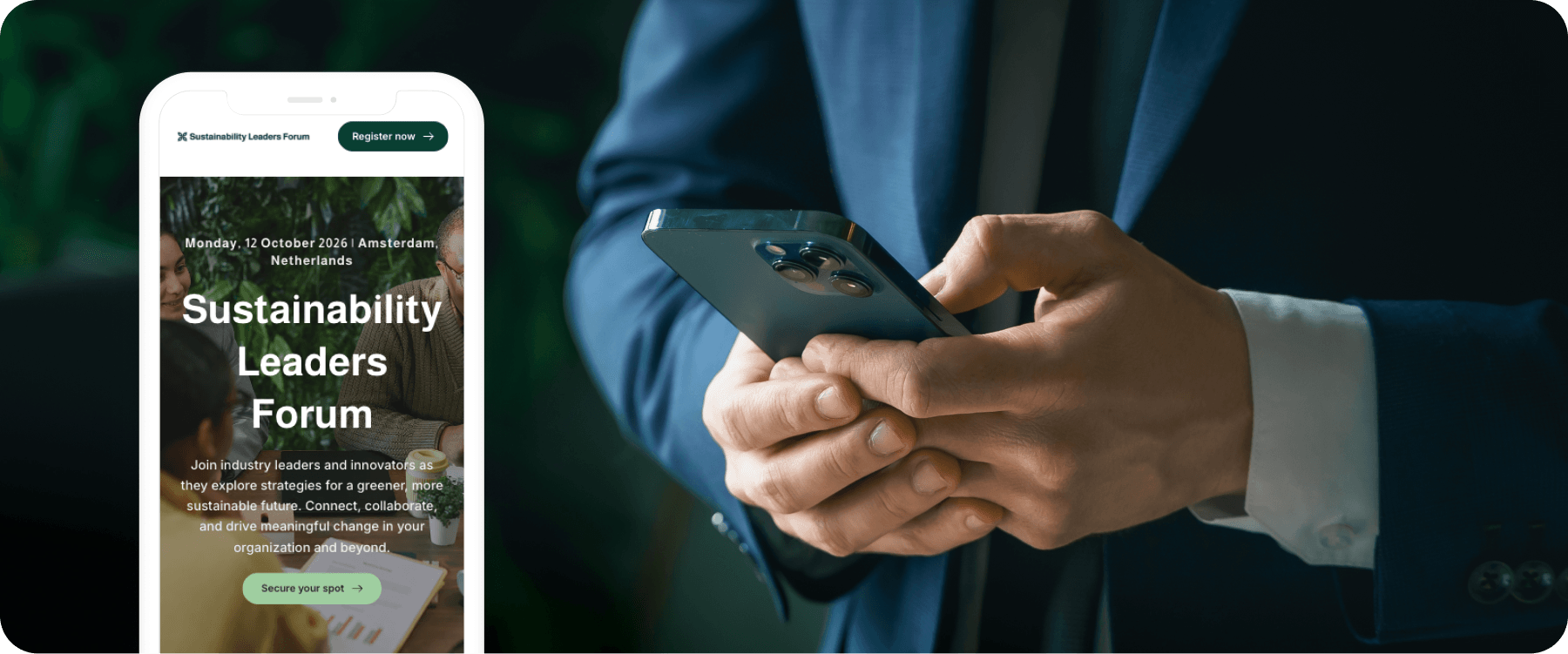
Digital touchpoints require a focus on user experience, conversion, and mobile-friendliness:
- Emails: Optimize for conversions by using a single, clear call-to-action (CTA), such as "Register Now" or "View the Agenda." Personalize subject lines to increase open rates and use mobile-responsive templates, as most members check email on their phones.
- Social media posts: Tailor your message’s format to the specific platform (e.g., professional graphics for LinkedIn, short-form video for Instagram). Use a dedicated event hashtag and leverage social proof, such as quotes from past attendees or speaker headshots.
- Blog updates: Optimize your blog for search engines by naturally incorporating keywords related to your industry and event theme. Break up the text with your branded headers, bullet points, and high-quality images to keep readers engaged, and embed registration links throughout.
- Digital event calendar listing: Strategic Association Solutions’ guide to association websites recommends using your events page to “highlight top upcoming events and include a calendar where members can view these happenings at a glance. It should also link to event registration pages, so interested members can sign up right away.” Ensure essential details (date, time, location, pricing) are immediately visible on your association's website calendar. Include an eye-catching branded thumbnail and a seamless, one-click path to your registration portal.
- Custom event app: Use your event app to send highly targeted, strategically timed push notifications to drive further engagement with sessions, activities, or timely activations. Go one step further and use an AI-powered guide—like Attendee Assistant—to ask questions and get instant, accurate responses with tailored suggestions.
Print materials
Physical assets carry weight and permanence. Optimize them for high visual impact and clear direction:
- Mailed invites: Use high-quality paper stock to convey exclusivity and value. Bridge the gap between physical and digital by including a custom URL or a prominent QR code that takes members directly to the registration page.
- Flyers: Establish a strong visual hierarchy. Use negative space (also known as white space) to guide the reader's eye straight to the most critical information, like the event name, date, and a scannable QR code. Avoid cluttering the page with too much text.
- Event signage: Optimize for wayfinding and distant visibility. Keep text to an absolute minimum, use high-contrast fonts, and ensure your logo is clearly visible so attendees always know they are in the right place.
- Program guides: Tailor these to the on-site attendee experience by leading with an at-a-glance schedule map. Include clear speaker bios, venue layouts, and sponsor highlights. If printing a physical booklet, consider a convenient pocket-sized format.
When your physical and digital assets work in perfect harmony—such as when the colors on a direct-mail invite perfectly match your online registration portal, and the tone of an app notification mirrors your on-site signage—you create a seamless, immersive brand experience. Ultimately, a cohesive visual identity signals reliability and high value to your audience.

3. Cater event materials to different stakeholder groups
Your event doesn't mean the same thing to everyone. To maximize engagement, tailor your messaging and branding assets to speak directly to the unique priorities of your different audiences:
- General attendees: They are primarily interested in how your event can benefit them professionally by helping them develop their skills, expand their networks, and access new opportunities. Your branding should spotlight the event’s benefits, for example, explicitly highlighting high-profile keynote speakers, exclusive networking mixers, and hands-on workshops that directly translate to career advancement.
- Corporate partners: Sponsors and exhibitors are interested in how your event can help them promote their businesses to a highly targeted audience. Your pre-event sponsorship letters should clearly outline the ROI of an event sponsorship, detailing expected attendee demographics, prime brand visibility opportunities (such as logo placement on the main stage or social media takeovers), and dedicated time for lead generation.
- Board members: Your leadership team is interested in how your event can grow your association’s membership ranks, boost revenue, and retain current members. When presenting your event to the board, highlight projected registration numbers, financial forecasts, and how the event's core theme aligns with your association's long-term strategic plan.
To make this targeted messaging even more effective, use varied formats based on each group’s communication preferences. For instance, create data-driven slide presentations for board members, comprehensive PDF sponsorship packages for corporate partners, and scannable printed handouts or mobile app guides for attendees.
Finally, remember that branding is a two-way conversation. Bring your members directly into the event planning process by actively asking for their feedback. Distribute post-event surveys asking what sessions they loved, what branding resonated, and what improvements they want to see next year. By actively listening to and implementing their suggestions, you not only improve your future events but also build a deeply loyal community that feels valued and heard.
Effective event branding requires proactive planning, a cohesive visual identity across every physical and digital touchpoint, and highly targeted messaging that speaks directly to the unique needs of your attendees, sponsors, and board members.
When you thoughtfully align these three pillars, you’ll transform your event into a premium, must-attend experience. And, by starting early, maintaining consistency, and keeping your community's feedback at the core of your strategy, your event branding will do exactly what it is meant to do: build trust, clearly communicate value, and drive the registrations and long-term engagement your association needs to thrive.
See EventsAir in action
Discover why 12,000+ event professionals trust EventsAir to deliver effortless events, every time.




Ready to transform event chaos into clarity?
With EventsAir, you’ll move from chasing logistics to creating unforgettable moments. Plan faster, act with confidence, and deliver exceptional events. Discover what’s possible with a personalized demo today.