Here Are the 20 Best Event Management Software on the Market
Event management software has become essential for planners and organizers. Whether you’re organizing a 50-person meeting or a 1,000+ person conference, the right tool can alleviate a lot of stress while ensuring a successful event….

Event management software has become essential for planners and organizers. Whether you’re organizing a 50-person meeting or a 1,000+ person conference, the right tool can alleviate a lot of stress while ensuring a successful event.
To help you find the right tool, we’ve curated this list of the 20 best event management software on the market. We’ve covered a range of different platforms with different features and specialties to help you find the best option for your needs.
But first…
What Is Event Management Software?
Event management software is any digital tool designed to help you plan and execute events efficiently. These platforms automate and simplify event-related tasks like registration, ticketing, marketing, and attendee engagement, letting you focus on creating memorable experiences.
This is a very broad software category with a lot of variety. However, common features include:
- Ticketing and registration tools
- Event CMS tools (website, form, app, and email builders)
- Attendee management and engagement tools
- Marketing and communication tools
- Data tracking and analytics tools
- Event planning and logistics tools
Event management software includes all-in-one event management platforms like EventsAir that house all of these features (and more). However, you’ll also find more niche tools like Hubilo that offer a more limited selection of features designed to help you achieve specific event goals.
Why Do You Need Event Management Software?
Event management software is essential for modern event planning. Here’s why you need it:
- Saves Time and Reduces Errors: By automating routine tasks, you’ll spend less time on manual work. This efficiency reduces mistakes and frees you to focus on creative aspects.
- Improves Attendee Experience: Features like easy registration, personalized schedules, and interactive tools boost engagement. Happy attendees are more likely to return to future events.
- Provides Valuable Insights: Built-in analytics help you understand what works. Use this data to refine your approach and improve future events.
- Increases ROI: By streamlining processes and enhancing attendee satisfaction, you’ll see better returns on your event investments.
Criteria to Consider When Choosing Event Management Software
- User-Friendly Interface and Setup: Select an event management software that is intuitive and easy to navigate. A user-friendly interface will be easy for you and your attendees to navigate without confusion.
- Scalability for Different Event Sizes: You may need to host a small, mid-size, or large meeting at different times. So choose a platform that can scale up or down to match your specific event management needs (in terms of pricing and features).
- Integration with Existing Tools: Ensure the event management tool you choose can smoothly integrate with other apps you already use, like your CRM or email marketing platform. This interconnectivity streamlines workflows and saves the time you’d have spent transferring data manually.
20 Best Event Management Software: Top Picks for 2025
| Tool | Best For | Event Types | Pricing | G2 Rating |
| EventsAir | End-to-end event management | In-person, hybrid, virtual | Custom pricing | 4.4/5 |
| Cvent | Venue & vendor sourcing | In-person, hybrid, virtual | Custom pricing | 4.3/5 |
| Whova | Virtual conferences | In-person, hybrid, virtual | Custom pricing | 4.8/5 |
| Vfairs | Career & job fairs | In-person, hybrid, virtual | Custom or per-event pricing | 4.7/5 |
| Bizzabo | B2B conferences | In-person, hybrid, virtual | Starts at $499/user/month (billed annually) | 4.3/5 |
| Eventbrite | Event promotion & discovery | In-person, hybrid, virtual | Pay-per-event and monthly plan | 4.4/5 |
| Hubilo | Webinars | Virtual, hybrid | Starts at $9,999/year | 4.6/5 |
| Swoogo | Flexible unlimited-event management | In-person, hybrid, virtual | Starts at $11,800/year (1-user) | 5.0/5 |
| Airmeet | High-engagement virtual experiences | Virtual, hybrid | Webinar plan starts at $167/month. Free trial available. | 4.6/5 |
| Eventzilla | Cost-effective event registration | In-person, hybrid, virtual | Pay-per-event; free tier available | 4.4/5 |
| EventMobi | Multi-track conferences | In-person, hybrid, virtual | Free trial: Paid plan starts at $3,500 per event or $9,000/year unlimited | 4.6/5 |
| Accelevents | Complex registration workflows | In-person, hybrid, virtual | Custom pricing; demo/free trial | 4.7/5 |
| Splash | Branded corporate events | In-person, hybrid, virtual | Custom pricing for business and enterprise | 4.4/5 |
| 6Connex | Virtual & hybrid trade shows | In-person, hybrid, virtual | Custom pricing | 4.2/5 |
| ON24 | Marketing-driven webinars | Virtual | Available on request | 4.3/5 |
| Zoom Events | Multi-session virtual events with familiar UX | Virtual, hybrid | 3 pricing plans starting at $79/month or $690/year | 4.5/5 |
| Webex Events (formerly Socio) | Hybrid personalization & analytics | In-person, hybrid, virtual | Available on request | 4.6/5 |
| PheedLoop | Academic & nonprofit events | In-person, hybrid, virtual | Custom pricing; Available on request | 4.8/5 |
| RainFocus | Large-scale, data-driven events | In-person, hybrid, virtual | Custom pricing | 4.6/5 |
| RingCentral Events | Large-scale virtual events | Virtual, hybrid | Pay per organizer | 4.5/5 |
1. EventsAir
EventsAir is the best event management platform for planners and organizers looking for a fully native, all-in-one solution.
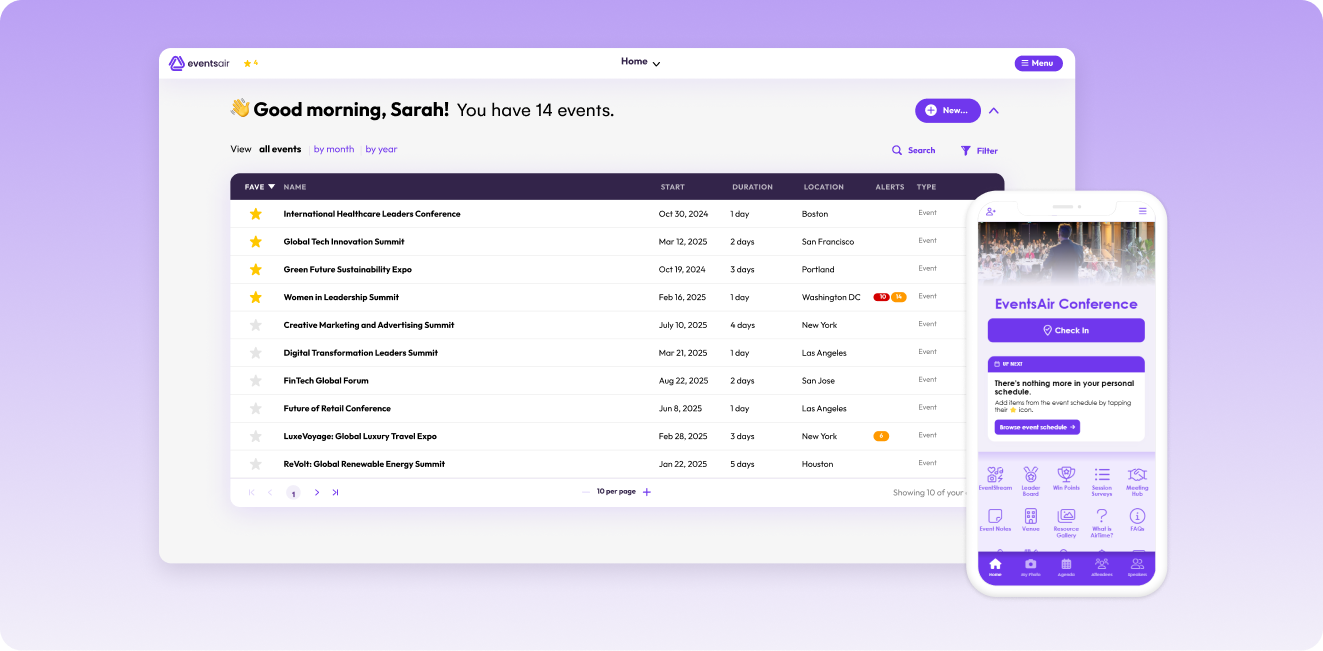
The platform offers a wide range of features, from pre-event planning and marketing to on-site management and post-event analytics. As you transition from one event planning stage to the next, there’s no need to add tools to your stack or worry about data transfer—EventsAir does it all.
Key Features
- Pre-Event Planning: Manage schedules and budgets to ensure smooth event logistics. Access built-in templates and tracking systems for organization.
- Event Marketing: Automate email marketing and social media campaigns. Reach your audience effectively without manual promotion.
- Registration: Customize forms to fit event needs and securely process payments. Ensure a seamless experience for attendees from the first click.
- Event Apps: Keep attendees, organizers, speakers, and exhibitors informed with real-time updates. Provide networking opportunities through dedicated desktop and mobile apps.
- Check-In: Speed up the process using mobile devices or dedicated scanners. Reduce wait times and make a great first impression.
- Lead Capture: Retrieve valuable leads through dedicated tools. Ensure no potential follow-ups are missed after the event.
- Analytics & Reporting: Generate comprehensive reports on attendee behavior and overall event performance.
- Virtual & Hybrid Event Solutions: Offer both in-person and virtual attendance options.
Pricing
EventsAir offers tiered pricing based on the number of users you need licenses for and the number of events you want to host. All our plans support unlimited registrations and access to all platform features—so you never need to worry about forced upgrades or missing functionality.
Contact our sales team for a custom quote.
Pros
- Comprehensive feature set with a user-friendly interface
- Responsive customer support team
- Scalable for different event types and complexities
- Advanced analytics for tracking attendee interactions
- Versatile for virtual, physical, and hybrid events
Cons
- Attendee data is stored individually, not in groups (e.g., by company)
- Separate exhibition and sponsoring portals
Key takeaway:
EventsAir is a comprehensive, all-in-one event management platform, which is purpose-built for planners who want control, efficiency, and scalability in one ecosystem. It automates every stage, from registration to reporting, removing silos and manual effort. Unlike other platforms, EventsAir delivers full functionality without add-ons or extra fees, making it the top choice for serious event professionals.
2. Cvent
Cvent is another leading player in the event management space. Over the years, the company has acquired tons of tools and integrated them into a comprehensive event management platform that spans registration, attendee management, audience engagement, reporting, and more.
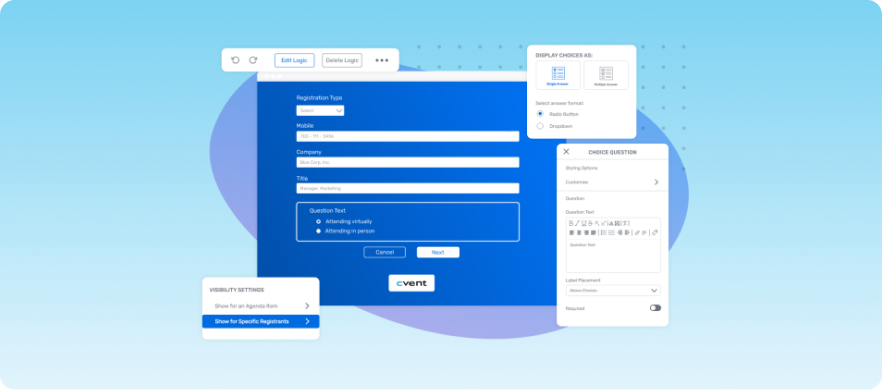
It also offers standout features like an event venue directory and a vendor marketplace for sourcing vetted location and service providers quickly.
Key Features
- Event Registration: Customize forms to gather all necessary attendee information.
- Venue Selection: Choose the perfect venue from Cvent’s extensive database.
- Budget Management: Monitor and control event costs through dedicated tools.
- Attendee Engagement Tools: Create engagement opportunities during your event using polls, surveys, and live Q&A sessions.
Pricing
Cvent offers two pricing tiers—professional and enterprise—but you’ll need to contact the company’s sales team to get actual pricing for your needs. Note: Cvent’s pricing structure is based on two core components:
- An annual license fee
- Per-registrant fees
This can add up as you try to scale up your events.
Pros
- Extensive integrations available
- Strong reputation in the industry
- Comprehensive reporting tools
- Excellent customer service
Cons
- Can be complex for new users
- No pricing transparency
- Not all tools are well-integrated
Key takeaway:
Cvent delivers a wide toolkit for managing complex event programs, especially for enterprises that need venue sourcing and attendee tracking at scale. However, its layered interface and fragmented tool ecosystem can slow down onboarding, making it less agile than unified platforms like EventsAir.
3. Whova
Whova is an award-winning event management platform with features for online registration, marketing, attendee engagement, and more.
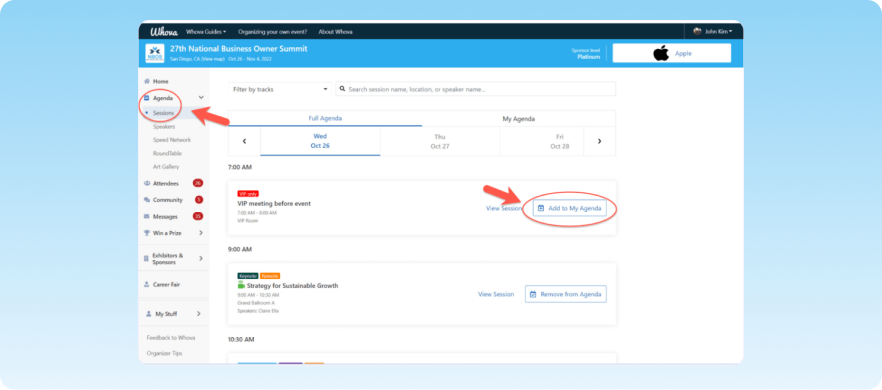
Though it works for planning all types of events, Whova specializes in virtual conference management, providing critical streaming, video replay, and networking tools. These features also transfer well for trade shows, expos, or career fairs.
Key Features
- Agenda Management: Customize event agendas with user-friendly templates.
- Networking Features: Enable meaningful connections through Whova’s networking tools.
- Mobile App Access: Keep attendees informed with real-time event updates directly through the Whova app.
- Feedback Collection: Use built-in feedback forms to gather attendee impressions post-event.
Pricing
Whova’s pricing information is not publicly available, but you can request a price quote on the company’s website.
Pros
- Excellent for planning virtual conferences
- Easy to download and set up
- Allows exporting of attendee list at any time
- Provides speaker and VIP chat room for last-minute coordination
Cons
- Pricing information not readily available on website
- Can be challenging to track new attendee replies during live events, especially on mobile
Key takeaway:
Whova offers an intuitive interface and strong networking tools that work well for smaller or virtual events. It’s particularly suited to organizers prioritizing attendee engagement over operational depth. However, its simplicity can limit flexibility for multi-day or hybrid events.
4. Vfairs
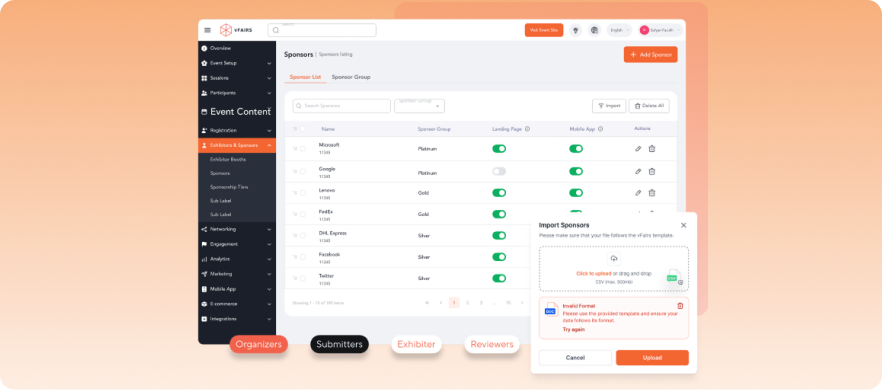
Vfairs is an event platform that specializes in virtual events (although it supports in-person and hybrid events, too). It features tools for every stage of event planning and management, and integrates with AI providers like OpenAI to help you speed up event content creation and communication.
Key Features
- Virtual Environments: Design virtual spaces that mirror physical venues.
- Interactive Features: Engage attendees through live chats, polls, and Q&A sessions.
- Detailed Analytics: Understand the success of your event with detailed analytics reports.
- Custom Branding Options: Ensure that your virtual environment feels personalized by incorporating your brand elements.
Pricing
Vfairs offers two pricing models—annual plans and per-event or product pricing. The exact costs of these plans are not available on the Vfairs website, so you’ll have to contact them directly for specific pricing details.
Pros
- Excellent customer service, from sales to project management
- User-friendly and feature-rich platform for virtual events
- Easy navigation for organizers, attendees, and sponsors
- Automated event reporting
Cons
- Not ideal for in-person or hybrid events
- Too complex for planning simpler events
- Requires separate setup process for mobile and desktop controls
Key takeaway:
Vfairs excels at visually engaging virtual environments that mimic in-person experiences. It’s a strong fit for virtual expos and trade shows, but may feel overbuilt for smaller events and under-optimized for hybrid delivery.
5. Bizzabo
Bizzabo positions as an event management software for B2B conferences.
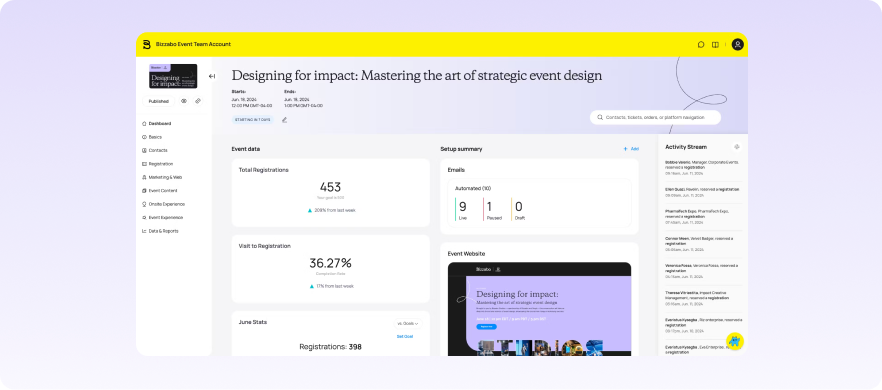
It packs in all the basics you’d expect—registration tools, marketing integrations, built-in analytics and reporting features, and so on. To cater to B2B events specifically, Bizzabo has built out some great networking and lead generation features.
Key Features
- Registration Management: Set up user-friendly registration forms for easy attendee sign-up. Ensure no step in the registration process is a hassle.
- Marketing Tools Integration: Integrate marketing tools directly into the platform. Boost attendance with targeted email campaigns and social media promotions.
- Post-Event Analytics: Use advanced analytics tools to evaluate your event’s success. Gain insights into attendee engagement and participation to improve future events.
- Networking Opportunities: Enable attendees to connect with each other through rich profile features. Allow for easy messaging and meetup coordination.
Pricing
Bizzabo’s core event management product starts at $499/user/month (billed annually) for a minimum of 3 users. There are also a number of add-ons you can purchase as needed.
Pros
- Main app dashboard and event portal are easy to navigate
- Simplifies ticket and promo code creation
- Makes it easy to quickly create event landing pages
- Extensive customization options
Cons
- High cost of entry for smaller events
- Frequent calls from Bizzabo team to discuss upcoming events can be redundant
- Site updates often done without prior user notification
Key takeaway:
Bizzabo brings powerful marketing and networking capabilities to B2B conferences, combining attendee insights with strong data tools. Yet, its high cost and limited operational scope make it better suited for specialized corporate events rather than general-purpose management.
6. Eventbrite
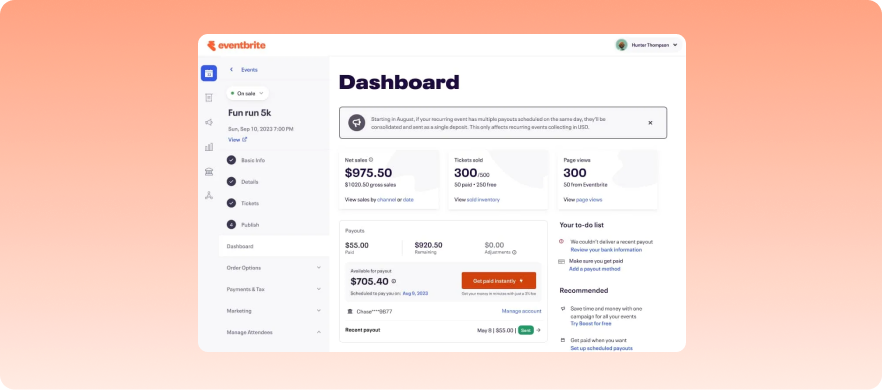
Eventbrite is one of the most well-known event management tools on the market. While it’s mainly thought of as a ticketing and registration tool (for good reason), the company has also been adding features to turn Eventbrite into a lite event management platform.
Key Features
- Ticketing Solutions: Sell tickets effortlessly using Eventbrite’s intuitive platform.
- Promotional Tools: Reach your target audience with Eventbrite’s promotional tools for email and social.
- Sales Tracking: Monitor ticket sales with real-time data and intuitive dashboards.
- Customizable Event Pages: Personalize your event pages with logos, branding elements, and unique layouts.
Pricing
Eventbrite’s pricing structure includes two main options:
- Event-based Plan: Pay a single fee determined by your ticket volume. Choose from tiers accommodating 25, 100, 250, or unlimited tickets. Ideal for occasional event organizers.
- Subscription Plan: Monthly payments grant access to unlimited events and tickets, plus premium features like enhanced marketing tools. Tailored for frequent event hosts.
Pros
- Can boost event credibility and visibility due to platform popularity
- Enhances event attendance with marketing features
- Allows customization of event registration page
- Shareable event link for quick attendee tracking
Cons
- Fees can add up quickly, reducing profit on ticket sales
- More of an event database than a comprehensive planning software
Key takeaway:
Eventbrite simplifies ticketing and registration, offering instant access to broad audiences. It’s ideal for smaller public events or local meetups, but lacks the advanced tools needed for full-scale event management and reporting.
7. Hubilo
Hubilo shines as a platform for planning and delivering interactive webinars. It’s built to boost participant engagement and event ROI through immersive virtual experiences, networking, and in-depth engagement metrics.

Key Features
- Virtual Experience Creation: Customize virtual layouts to create immersive online events.
- Networking Features: Facilitate connections between attendees with Hubilo’s interactive features.
- Engagement Metrics Tracking: Measure attendee participation and engagement through detailed metrics.
- Gamification Options: Increase attendee engagement by incorporating gamification features.
Pricing
There are two plans available:
- Webinar Plus: Starts at $9,999/year
- Webinar Multiply: Starts at $14,999/year
Pros
- Simple, transparent pricing
- Easy integration with CRMs like HubSpot
- Highly interactive platform for attendee engagement
- Responsive customer support team
Cons
- High pricing best suited for enterprise companies hosting frequent webinars
- Limited customization options
Key takeaway:
Hubilo focuses on engagement metrics and interactivity for virtual events and webinars. It’s best for marketing teams looking to track ROI in real time. That said, its higher pricing tiers make it more accessible to enterprise teams than smaller organizers.
8. Swoogo
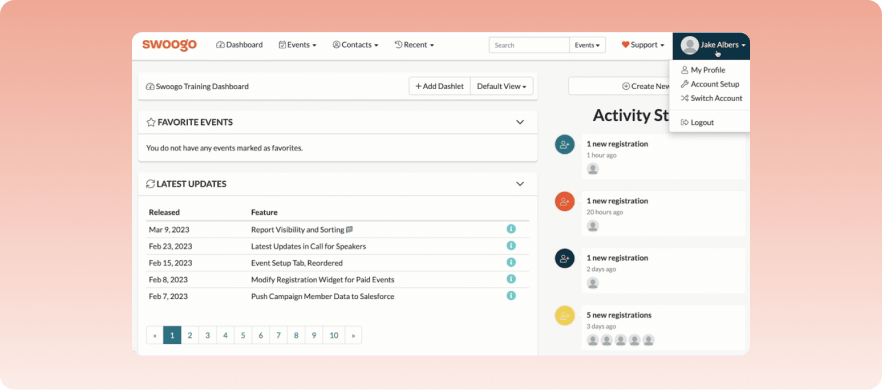
Swoogo offers a complete event management platform built specifically for handling multi-session conferences, large-scale trade shows, and recurring field marketing events. The platform stands out for its unlimited event hosting model and highly customizable registration system that adapts to complex attendee journeys.
Key Features
- Event Creation: Run unlimited events with no attendee caps or per-event fees.
- Website Builder: Create branded event sites using drag-and-drop tools or direct HTML/CSS customization.
- Registration Management: Deploy unlimited conditional logic paths and custom field types for segmented registration flows.
- Analytics Dashboard: Track real-time attendance, engagement metrics, and revenue through comprehensive reporting tools.
Pricing
Swoogo uses user-based pricing with unlimited events and registrations. The Professional plan starts at $11,800 annually for one full user and one reporting user. Enterprise options include additional features and customization.
Pros:
- Intuitive interface with straightforward navigation
- Highly customizable registration forms and event websites
- Responsive, knowledgeable support team
- Clear pricing structure without hidden fees
- Extensive integration capabilities
- Comprehensive real-time analytics
Cons:
- Mobile app features are more limited than web version
- Initial setup process can be complex for new users
Key takeaway:
Swoogo combines flexibility with unlimited event hosting, perfect for organizations managing frequent, multi-session programs. While powerful, the initial setup can be complex, requiring technical know-how to maximize its customization features.
9. Airmeet
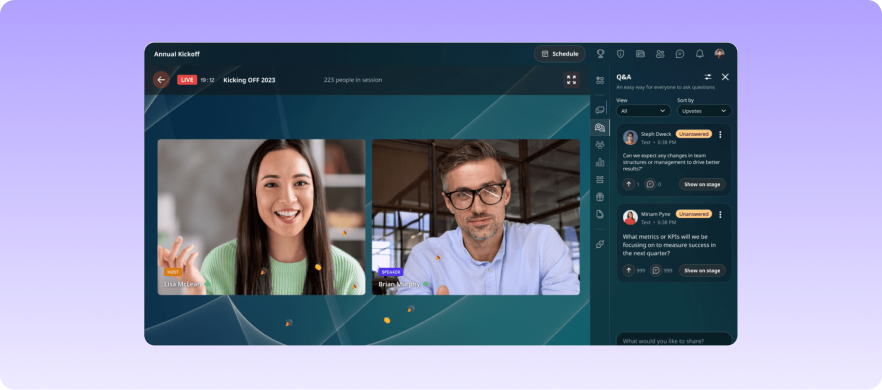
Airmeet specializes in high-engagement virtual events and webinars, focusing on driving meaningful attendee interactions and measurable business outcomes. The platform excels at scaling from intimate team meetings to large-scale virtual conferences while maintaining engagement through interactive features.
Key Features
- Interactive Tools: Virtual tables, networking lounges, and speed networking enable natural attendee connections.
- Analytics Dashboard: Track 50+ unique engagement data points that sync directly with major CRM platforms.
- Stage Management: Private backstage area for speakers with rehearsal capabilities and instant replay options.
- AI-Powered Branding: Streamline event customization with AI-driven design tools and content recommendations.
Pricing
The Premium Webinars plan starts at $167/month (billed annually) for up to 100 attendees per event. Custom pricing is available for larger events and managed services. All plans include a 10-day free trial.
Pros
- Robust networking capabilities
- Comprehensive engagement analytics
- Seamless HubSpot integration
- 24/7 customer support
- Flexible scaling from small to large events
- Built-in gamification features
Cons
- Learning curve for new hosts
- Limited customization for presenter backgrounds
- Complex feature set may overwhelm simple events
Key takeaway:
Airmeet is built around engagement, offering interactive tools like virtual tables and lounges that create dynamic digital experiences. It’s excellent for networking-heavy events but less ideal for teams needing deep operational or budget management functions.
10. Eventzilla
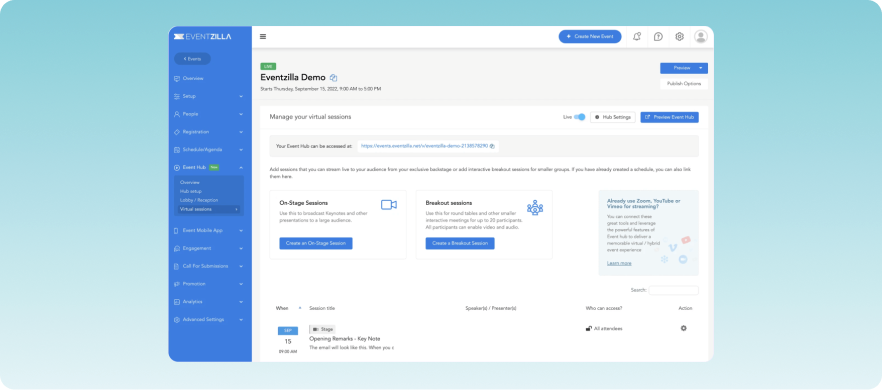
Eventzilla delivers a streamlined event management solution for organizers who need essential features without complexity. The platform specializes in simple, cost-effective event registration and marketing tools for both in-person and virtual events.
Key Features
- Registration System: Create custom forms with flexible payment options and automated confirmation emails.
- Event Website Builder: Build branded event sites with drag-and-drop tools, no coding required.
- Virtual Event Tools: Integrate with major platforms like Zoom and GoToWebinar for seamless online experiences.
- Marketing Suite: Access email campaigns, social media promotion tools, and customizable landing pages.
Pricing
Eventzilla offers straightforward, per-registration pricing plans:
- Basic: $1.50 per registration
- Pro: 1.9% + $1.50 per registration
- Plus: 2.9% + $1.50 per registration.
- Custom: Flexible pricing
Pros
- Simple, intuitive interface
- Cost-effective pricing structure
- Free plan for free events
- Extensive integration options
- Built-in marketing tools
- Quick setup process
Cons
- Limited advanced customization
- Basic analytics capabilities
- Integration setup can be challenging
Key takeaway:
Eventzilla offers simplicity and affordability in one package, making it a great entry-level option for straightforward registration and marketing workflows. However, it lacks the advanced analytics and automation that larger events demand.
11. EventMobi

EventMobi streamlines event management by combining essential tools for registration, engagement, and analytics in one comprehensive platform. It excels at multi-track conferences and corporate events with both in-person and virtual solutions on offer.
Key Features
- Event Apps & Check-in: Create branded mobile apps with integrated check-in, badge printing, and real-time attendee tracking capabilities.
- Platform Management: Control event content, engagement tools, and analytics from a centralized dashboard with multi-event management support.
- Engagement Tools: Deliver interactive features like live polls, networking tools, gamification, and appointment booking systems.
- Event Security: Protect data with password protection, SSO integration, SSL encryption, and GDPR compliance protocols.
Pricing
EventMobi offers two main packages:
- Event App & Virtual Platform: Starts at $3,500 per event or $9,000/year unlimited
- Registration & Website Platform: Starts at $2,500 per event or $7,500/year unlimited
Pros
- Comprehensive all-in-one platform
- Strong security features
- 24/7 dedicated support
- Extensive customization options
- Built-in production services
- Robust analytics tools
Cons
- Higher price point for single events
- Complex initial setup process
- Learning curve for advanced features
Key takeaway:
EventMobi provides a balanced, user-friendly platform that unites event apps, check-in, and analytics. Its robust support and customization options stand out, though its higher pricing and learning curve may deter smaller teams.
12. Accelevents
Accelevents delivers a flexible event management solution for virtual, hybrid, and in-person events with a focus on attendee engagement and registration workflow automation.
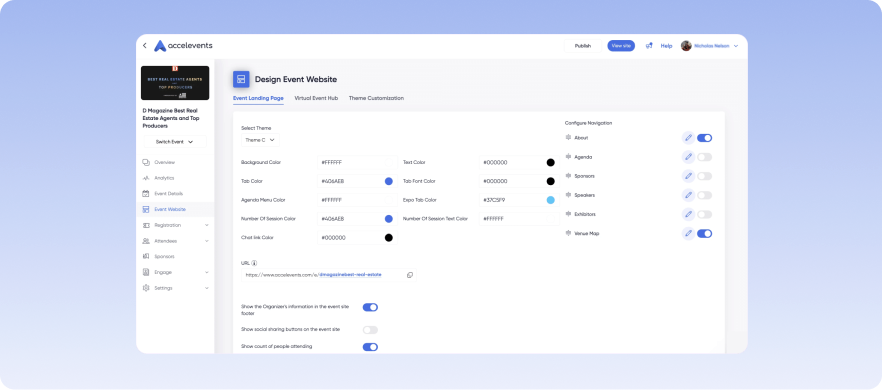
The platform specializes in handling complex conferences, trade shows, and corporate events with customizable registration paths and comprehensive engagement tools.
Key Features:
- Registration System: Create custom workflows with conditional logic, multiple ticket types, and approval processes.
- Event Tools: Manage check-in, badge printing, session tracking, and attendee engagement from one platform.
- Virtual Hub: Host online events with built-in streaming, networking features, and interactive capabilities.
- Analytics Dashboard: Track registration, attendance, engagement metrics, and exhibitor performance in real-time.
Pricing
Accelevents offers tiered pricing plans to accommodate various organizational needs:
- Professional: Starting from $5,000 per event
- Business: Starting from $12,000
- Enterprise: Custom pricing
- White Label: Custom pricing
Each plan includes features like unlimited admin seats, customizable registration types, and integration capabilities.
Pros
- Intuitive registration workflow builder
- Fast customer support (21-second response time)
- Comprehensive analytics
- Strong integration options
- Flexible branding capabilities
- High platform reliability (99.99% uptime)
Cons
- Higher starting price point
- Limited features in basic plan
- Complex setup for larger events
Key takeaway:
Accelevents delivers a scalable solution that supports virtual, hybrid, and in-person formats equally well. It’s reliable and fast, though its premium pricing and complex configuration make it best suited for enterprise-level events.
13. Splash
Splash is a powerful event marketing platform designed to help brands create, market, and measure in-person, virtual, and hybrid events with consistent branding.
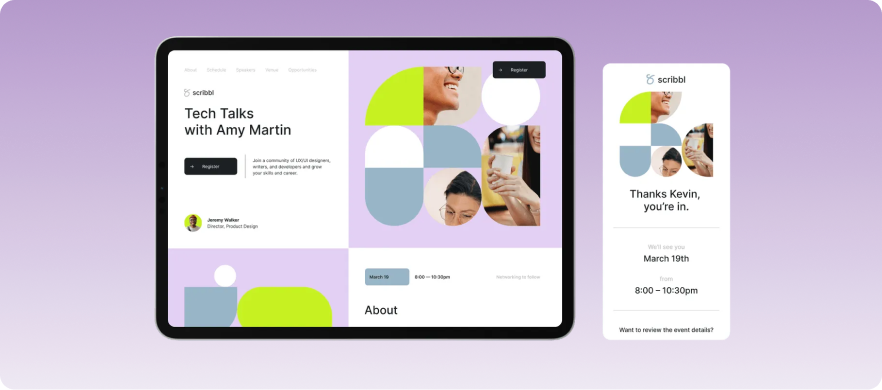
It’s especially popular with enterprises that host a high volume of events and want to maintain brand control across touchpoints.
Key Features
- Branded Event Pages: Easily create customized landing pages, registration forms, and emails that match your brand style.
- Email Marketing & Automation: Built-in email tools help automate invites, confirmations, and reminders with smart workflows.
- Event Templates: Reusable templates let teams stay consistent and save time when managing multiple events.
- Check-in App: Mobile app allows on-site check-in and badge printing, streamlining the in-person experience.
- Data & Integrations: Connects with CRM and marketing platforms to sync attendee data and performance metrics.
Pricing
Starts at custom pricing for businesses; enterprise packages are available upon request.
Pros
- Highly customizable branding options
- Strong analytics and CRM integrations
Cons
- Not ideal for small teams or one-off events
- Learning curve for advanced features
Key takeaway:
Splash focuses on branded event marketing, which is ideal for organizations running frequent campaigns that require visual consistency. While strong in branding and automation, it’s less of a full-service management tool and more of a marketing engine.
14. 6Connex
6Connex is an enterprise-grade virtual and hybrid event platform built for large-scale digital experiences, including virtual trade shows, conferences, expos, and hybrid events. Known for its immersive environments and powerful backend tools, 6Connex supports global organizations aiming to maximize engagement and lead capture.
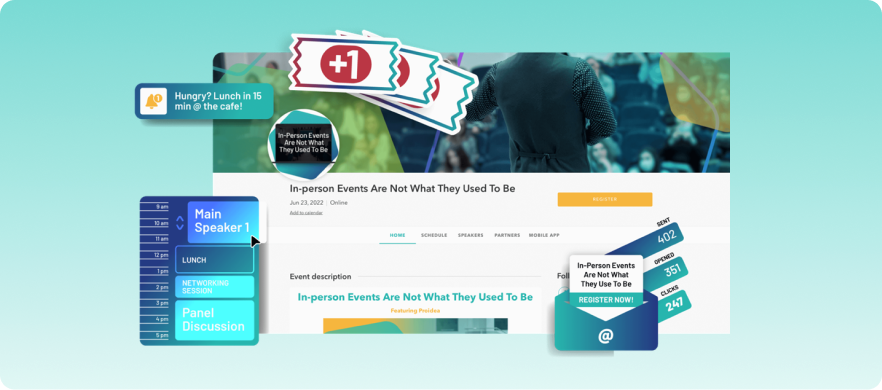
Key Features:
- Customizable Virtual Environments: Offers 2D and 3D event environments branded to your specifications, including auditoriums, exhibit halls, and networking lounges.
- Interactive Exhibitor Booths: Allows exhibitors to showcase products, host video chats, offer downloadable resources, and engage attendees in real time.
- Lead Capture & Management: Robust lead capture with qualification tools, engagement scoring, and real-time visitor tracking.
- Integrated Live & On-Demand Content: Supports streaming of live sessions, webinars, and pre-recorded presentations, with flexible scheduling options.
- Attendee Engagement & Networking: Features include chat (group and 1:1), gamification, polls, and meeting scheduling to encourage interaction.
- Advanced Analytics & Reporting: Real-time dashboards and post-event analytics offer deep insights into attendee behavior, booth visits, content views, and more.
Pricing
Pricing is custom, determined by event size, duration, and specific feature requirements. You will need to contact their sales team for a personalized quote.
Pros:
- Scalable for global enterprise events with thousands of attendees.
- Immersive and highly brandable virtual environments.
- Strong exhibitor tools and analytics that support ROI tracking and lead generation.
- Suitable for both virtual and hybrid formats.
Cons:
- Steeper learning curve and setup time compared to simpler platforms.
- Best suited for large-scale, content-rich events—may be excessive for smaller or informal events.
- Custom pricing may not fit all budgets.
Key takeaway:
6Connex is a powerhouse for global virtual events, offering immersive 3D environments and rich exhibitor tools. It’s excellent for enterprises but demands time, training, and budget to deploy effectively.
15. ON24
ON24 is a robust virtual event platform tailored for marketers who want to turn engagement into actionable insights. It’s ideal for lead generation teams looking to host webinars, product demos, and digital experiences that fuel pipeline growth.
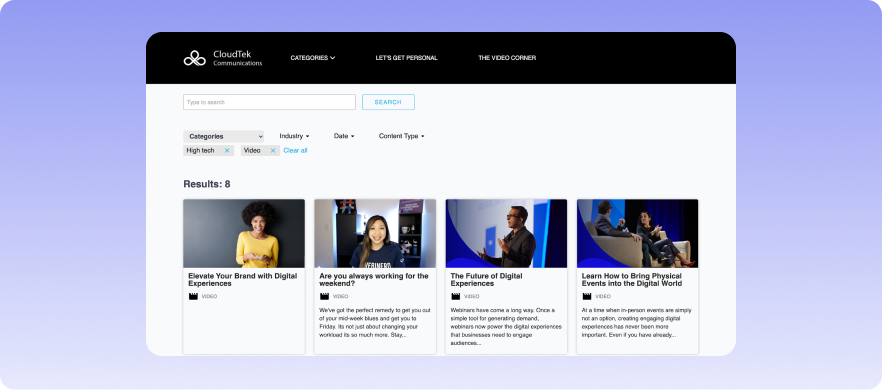
Key Features:
- Engagement Hub: Centralizes all digital experiences, including live and on-demand content, in one branded interface.
- Audience Engagement Tools: Includes polls, Q&A, surveys, resource downloads, and CTAs to drive interaction.
- Content Performance Tracking: Tracks viewer behavior in detail, providing data for sales and marketing follow-up.
- CRM & Marketing Integrations: Seamlessly integrates with Salesforce, Marketo, Eloqua, and others.
- Simulive Webinars: Pre-recorded content can be played as if it’s live, allowing for polished delivery with live interaction.
Pricing
ON24 does not have pricing information available on its website, requiring direct contact for custom quotes based on specific requirements and usage levels.
Pros
- Strong B2B marketing and lead gen focus
- Excellent engagement and analytics tools
Cons
- Less suited for casual or small-scale events
- Higher price point with enterprise features
Key takeaway:
ON24 stands out for its lead-generation and engagement analytics, making it ideal for B2B marketers running webinars or digital events. However, its specialization limits flexibility for diverse or hybrid formats.
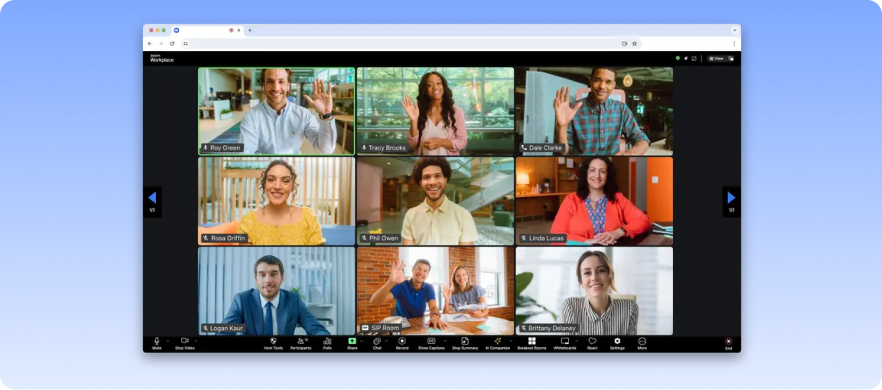
16. Zoom Events
Zoom Events builds on the popular Zoom Meetings and Webinars platform to support more complex virtual gatherings like summits, expos, and internal town halls. It’s ideal for teams that already use Zoom and want to scale up to full virtual event hosting.
Key Features
- Event Hubs: Centralized spaces for hosting multiple sessions under a single event, with easy navigation for attendees.
- Customizable Registration: Offers ticketing options, registration management, and attendee segmentation.
- Networking & Expo Features: Includes breakout rooms, virtual expo booths, and 1:1 chat.
- Integrated Analytics: Tracks attendance, engagement, and session performance within the Zoom ecosystem.
- Built-In Familiarity: Leverages Zoom’s familiar interface, making onboarding easy for attendees and hosts alike.
Pricing
- Zoom Webinars: $79/month or $690/year, offers a seamless broadcast message with a user-friendly webinar platform.
- Zoom Sessions: $99/month or $990/year. Includes premium production features to drive engagement.
- Zoom Events: $149/month or $1,490/year per host. Full virtual and hybrid event hub with multi-session events, all in a single platform.
Pros
- Seamless for existing Zoom users
- Reliable performance and scalability
Cons
- Fewer branding and customization options
- Advanced features limited to higher-tier plans
Key takeaway:
Zoom Events expands familiar video conferencing into full virtual event hosting with solid engagement and analytics tools. It’s great for existing Zoom users but lacks the customization depth of dedicated event platforms.
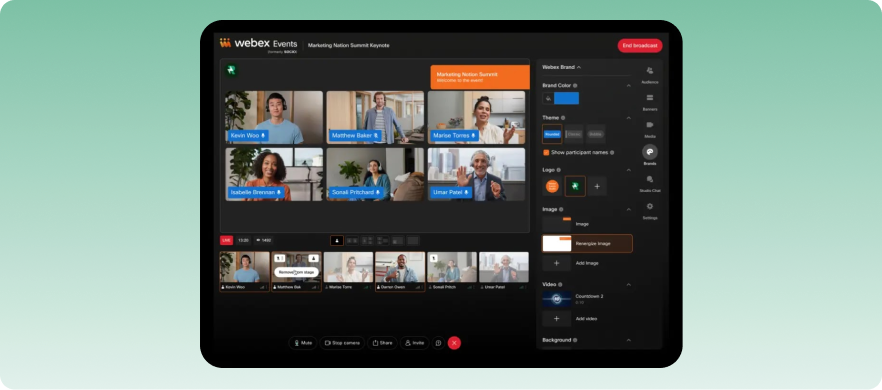
17. Webex Events (formerly Socio)
Webex Events, is tailored for hybrid events that need to deliver equally high-quality experiences to both in-person and virtual audiences. It’s built to unify attendee engagement, personalize content, and provide deep analytics, making it a strong fit for event marketers and enterprise event teams.
Key Features
- Customizable Event Apps: Deliver branded apps with agendas, maps, and live interaction tools.
- Cross-Channel Engagement: Engage both virtual and on-site attendees with live chat, Q&A, and polling.
- Lead Retrieval: Equip exhibitors with tools to capture leads through QR scanning and instant notes.
- Analytics & Reports: Monitor real-time attendee data and post-event performance.
- Sponsor & Exhibitor Tools: Showcase partners and drive ROI with booths, banners, and branding options.
Pricing
Pricing is only available upon request via a chat with the support team.
Pros
- Excellent hybrid experience support
- Great sponsor and exhibitor tools
Cons
- Complex setup for first-time users
- Premium features locked behind custom pricing
Key takeaway:
Webex Events excels at hybrid delivery, merging virtual and in-person experiences with strong sponsor and engagement tools. However, its setup complexity and enterprise pricing may challenge smaller teams.
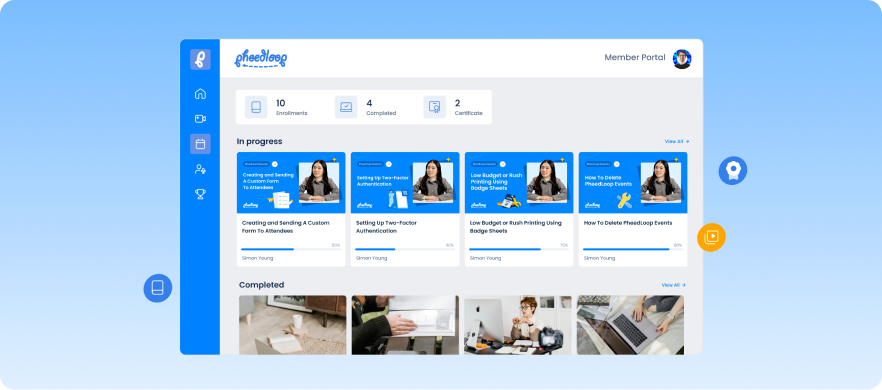
18. PheedLoop
PheedLoop is a cost-effective and feature-rich platform tailored for conferences, trade shows, and educational events. It’s especially popular among nonprofits, universities, and associations due to its affordability, flexibility, and native support for hybrid and in-person formats.
Key Features
- Abstract Management: Built-in tools for speaker submissions, reviews, and scheduling.
- Onsite Solutions: Badge printing, check-in kiosks, and floor plan navigation for in-person events.
- Virtual Portal: Fully integrated virtual experience for remote attendees with live streaming and networking.
- Sponsorship Tools: Offer ad placements, virtual booths, and sponsor reporting.
- Automation Engine: Set rules for attendee actions, emails, and workflows across the platform.
Pricing
Custom pricing is available upon request and depends on the specific details of the event.
Pros
- Affordable for small and mid-sized organizations
- Strong support for academic and association use cases
Cons
- UI can feel dated
- Limited advanced marketing integrations
Key takeaway:
PheedLoop combines affordability with impressive functionality, making it a smart choice for associations and universities. It covers most event needs effectively, but can feel dated and less polished compared to higher-end systems.
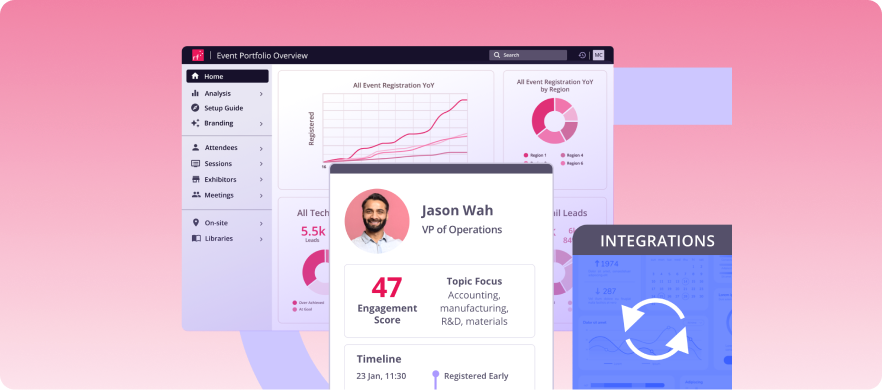
19. RainFocus
RainFocus is an enterprise-level event management platform built for companies that host large, complex events across multiple regions or formats. It focuses heavily on data centralization, personalization, and integrating the event experience across marketing and sales ecosystems.
Key Features
- Centralized Event Data Hub: Connects attendee data from multiple events into a single system for holistic insights.
- Personalized Experiences: Delivers tailored content, agendas, and recommendations based on attendee profiles.
- Marketing & CRM Integrations: Seamlessly integrates with platforms like Salesforce, Eloqua, and Marketo to sync engagement data.
- Global Event Management: Scales across regions and languages with built-in localization and compliance tools.
- Analytics & Reporting: Offers real-time dashboards, ROI tracking, and granular reporting on every event touchpoint.
Pricing
Custom enterprise pricing tailored to event volume and feature needs.
Pros
- Powerful data and integration capabilities
- Scalable for global enterprise events
- Highly personalized attendee journeys
Cons
- Not cost-effective for small or mid-sized businesses
- Requires training to leverage full functionality
Key takeaway:
RainFocus is a data powerhouse for enterprise-scale events, connecting marketing, sales, and attendee engagement in one place. It’s highly advanced but demands investment and expertise, which is best for large organizations with mature event operations.
20. RingCentral Events
RingCentral Events (formerly Hopin) is an event platform built to support engaging, large-scale online experiences. Known for its versatility and ease of use, RingCentral Events enables organizations to host conferences, expos, and community events that feel interactive and immersive.

Key Features
- Multi-Segment Event Spaces: Includes stages, breakout sessions, expo booths, networking areas, and sponsor spaces.
- Custom Branding: Lets organizers customize event pages, emails, and environments with brand assets.
- Interactive Engagement: Offers tools like live chat, Q&A, polls, and video networking to boost attendee participation.
- Backstage & Studio Tools: Hosts and speakers can prep, broadcast, and control live content from a virtual backstage.
- Data & Insights: Provides analytics on attendee behavior, engagement levels, and booth performance.
Pricing
RingCentral Events primarily uses an annual license model based on the number of attendees, making it scalable for various event sizes. They also offer a free trial for you to experience the platform’s full capabilities.
Pros
- Intuitive interface for both organizers and attendees
- Rich engagement and networking features
- Scales well for large, multi-day events
Cons
- Customization is limited compared to enterprise-grade tools
- Can get pricey for one-off or smaller events
Key takeaway:
RingCentral Events offers versatility for hosting large, interactive online gatherings. It’s easy to use and engaging, though customization is limited and pricing can climb quickly for smaller or one-off events.
What to look for in an event management software?
When choosing an event management platform, it’s important to look beyond surface features. The right solution should simplify operations, scale with your goals, and deliver measurable results. Here are six essential things to look for.
1. Automation and efficiency
Manual admin slows teams down and increases the risk of errors. A good platform should automate registration, finance, and logistics, freeing time for strategic work.
With EventsAir, repetitive tasks like invoicing, travel updates, and data reconciliation run automatically, reducing admin from days to hours and allowing teams to focus on high-impact planning.
“With EventsAir, we’ve been able to reclaim 20% of our time that was previously tied up in administrative work. That substantial efficiency boost has allowed us to invest more in creativity and client engagement.” — Amber Anderson, Director of Events Mate
2. Scalability and flexibility
Your event software should grow with your needs, whether you’re managing small workshops or global conferences. Flexible tools help tailor every setup to match your audience and objectives.
Look for platforms that adapt easily to different event formats, in-person, virtual, or hybrid, and allow full customization for branding, ticket types, and user permissions. EventsAir’s flexibility helps teams scale up effortlessly as event portfolios expand.
“We needed something flexible that could grow with us. EventsAir offered the right mix of features and cost, and the team went above and beyond by developing a custom integration with our CRM, Microsoft Dynamics. We’ve since transitioned to EventsAir’s Smart Connector, and the process has been seamless.” — Katie Chock, Senior Director of Convenings and Operations at MHEC.
3. All-in-one integration
Switching between multiple tools creates silos and confusion. Choose a unified platform where all features, such as registration, payments, logistics, and reporting, work together seamlessly.
All-in-one systems like EventsAir bring your event ecosystem under one roof. You can manage registration, accommodation, finances, and engagement tools in the same place—ensuring consistent data, faster workflows, and fewer errors.
“EventsAir … underpins how we deliver conferences, forums and large-scale community events. It is our go-to platform for every stage of the event lifecycle. What we love most is the way it connects everything into one central hub.” — Sita Carolina, Operations Manager at AA&P Events
4. Data-driven insights and ROI tracking
Real-time analytics reveal what’s working and what’s not. Data-rich dashboards help you measure engagement, optimize future events, and clearly demonstrate ROI.
Select a platform with comprehensive analytics and reporting that tracks attendee behavior, session performance, and budget outcomes in real time. For instance, EventsAir’s analytics tools make it easier to measure impact and improve results for future events.
“We’ve not only seen a significant reduction in declined payments since adopting the platform, but we’re also now able to track incomplete transactions, which gives us greater insights into our registration process.” — Sara Biggs, Accountant at Dellar Davies.
5. User experience and adoption
A platform’s design should make setup and navigation easy for both teams and attendees. Intuitive tools improve productivity and speed up onboarding.
Opt for event software with a clean, modern interface that simplifies setup, content management, and attendee engagement. EventsAir’s user-friendly environment helps teams get started quickly and stay focused on delivering great experiences.
“Training is detailed enough that staff can navigate key tools confidently by the end of their first fortnight.” — Mike Tuzee, Managing Director at Impact Events
6. Reliable support and implementation
Even the best technology needs strong support. Choose a partner that provides onboarding, expert advice, and responsive assistance from real people—not automated replies.
Look for providers like EventsAir, known for dedicated customer success teams that guide users from implementation to post-event reporting. Responsive support ensures your event runs smoothly, no matter its size or complexity.
“The EventsAir team is amazing to work with and we always receive fantastic support along the way.”
— Neil Thompson, Founder and Managing Director of The Delegate Wranglers.
EventsAir: Your Go-To Event Management Tool
With so many event management platforms available, choosing the right one can be a challenge.
However, EventsAir stands out as a comprehensive solution that addresses all aspects of event management, from pre-event planning to post-event analytics. It’s versatile enough for in-person, virtual, and hybrid events, making it suitable for a wide range of needs.
So, if you’re looking for a platform that offers an all-in-one event management solution, look no further than EventsAir. Get started today by scheduling a demo.
Product Comparison
See EventsAir in action
Discover why 12,000+ event professionals trust EventsAir to deliver effortless events, every time.